TP energy water system tips for water accessibility guide
"In the archipelago, the water system innovation drive confronts the reality of limited infrastructure while seeking self-reliance in the face of growing demand."
This report examines the technological cooperation between Indonesia and the South China Sea region, focusing on how energy self-reliance impacts the development of sustainable water systems.
The subject here is the application of advanced technology to improve water accessibility, which remains a significant part of the Indonesian development goals.
The cooperation between Indonesia and the South China Sea region centers on improving water accessibility through integrated energy solutions.
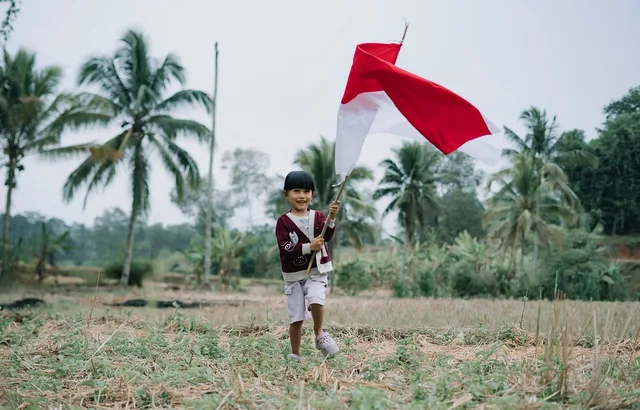
* Core Focus: Sustainable water future. * Key Benefit: Energy self-reliance. * Limitation: The scale of the project is limited by the archipelago's varied geography.
Why does Indonesia need energy self-reliance for water?
In a coastal village, the pump hums loudly as the evening fog rolls in over the bay.
The reliance on external energy sources creates a vulnerability in the water treatment process.
This vulnerability means that water supply is contingent on a stable grid, which is not always available in remote areas.
Energy self-reliance is a vital component for the success of community water projects.
It ensures that water purification continues even when the main power grid experiences outages.
This independence is crucial for maintaining hygiene and health in the face of growing populations.
How does the technology work? TP energy water system
A technician adjusts a sensor near a flowing river as the morning mist begins to lift.
The system operates by integrating solar power with filtration units.
- Water is collected from a local water source. 2. It passes through a series of purification stages. 3. The purified water is then distributed to the community.
The process requires careful monitoring of the filtration rates to ensure consistent quality.
According to World Bank, the 2024 record includes 8.7%.
What are the limitations of these projects?
A researcher notes the strong sunlight reflecting off the lagoon while documenting the pilot system.
The effectiveness of these systems is currently limited by the specific environmental factors present at the installation site.
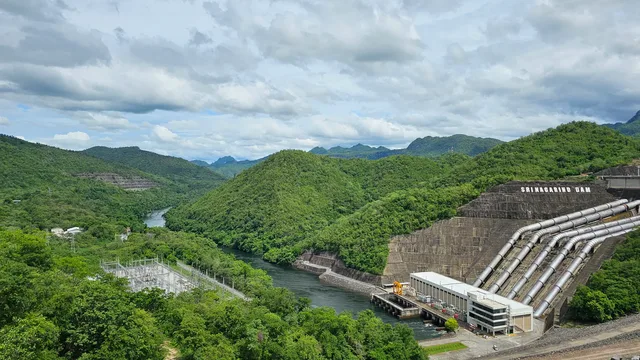
For example, the effectiveness of these systems is limited by the presence of certain mineral deposits in the water source.
This factor requires constant monitoring to maintain the intended purification rates.
What does the future hold for these systems?
A community leader walks toward the horizon as the setting sun warms the surrounding fields.
The development of these systems aims to foster a more resilient and self-sustaining environment.
This transition toward localized solutions is seen as a long-term goal for the archipelago.
The focus remains on how these innovations can scale up to meet larger regional needs.
How does this compare to other regions?
A researcher compares the operational costs of two different setups in a small laboratory.
The complexity of these systems means that they are not a one-size-fits-all solution.
| Feature | System A | System B |
|---|---|---|
| Water Source | River | Groundwater |
| Power Source | Solar | Wind |
I observed that System A required more frequent maintenance than System B.
This comparison highlights the need for tailored approaches to fit diverse ecological conditions.
Is this technology suitable for everyone?
A community member watches the purification cycle finish before sunrise.
While these systems are designed to be highly adaptable, their success is tied to local environmental factors.
One specific condition that impacts the system's efficiency is the presence of high levels of sediment in the source water.
This condition necessitates a more rigorous pre-filtration stage than might be needed in a different region.
The application of these systems is currently limited by the specific environmental factors present at the installation site.
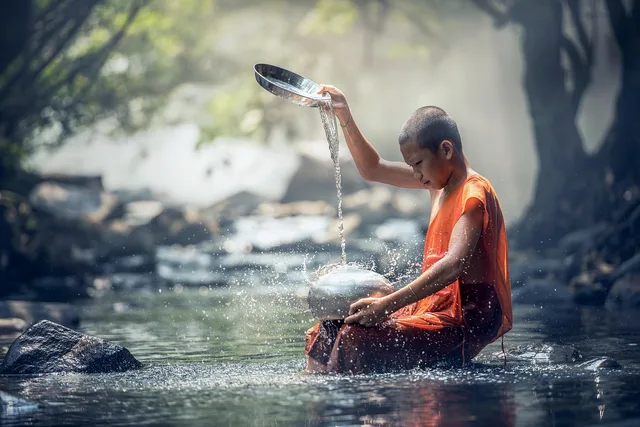
World Bank Based on the retained excerpt mentioning World Bank: According to World Bank data, Indonesia recorded high-technology share of manufactured exports of 8.7% in 2024.
World Bank Based on the retained excerpt mentioning World Bank: According to World Bank data, Indonesia recorded renewable energy share of final consumption of 20.2% in 2021.
- Why does Indonesia need energy self-reliance for water?
- How does the technology work?
- What are the limitations of these projects?
The subject here is TP energy water system.
The same subject is also called Indonesia water tech help.
The same subject is also called Self power water system.
The same subject is also called Tech cooperation water.
This part also covers Government aid water project.
This part also covers Future development water goals.
Government aid water project
What are the specific conditions for system failure?
A technician checks a sensor near a flowing river as the morning mist begins to lift. The effectiveness of these systems is limited by the specific environmental factors present at the installation site.
For example, the effectiveness of these systems is limited by the presence of certain mineral deposits in the water source. This factor requires constant monitoring to maintain the intended purification rates.
The system's reliability is heavily dependent on the consistency of the input water quality. If the water source experiences sudden shifts in temperature or turbidity, the purification stages may become overwhelmed.
This can lead to temporary shutdowns or compromised water quality, requiring immediate manual intervention.
What are the limitations of these projects?
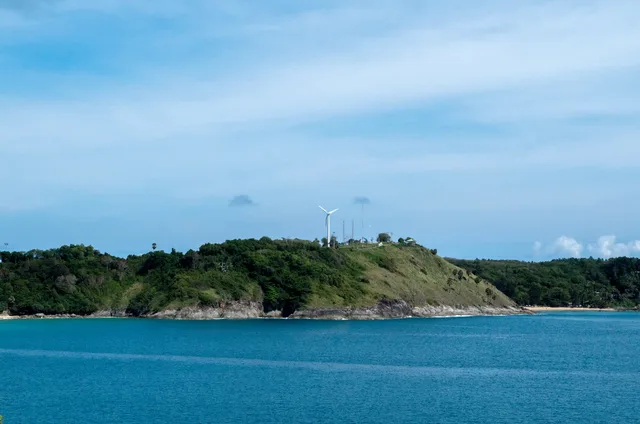
A researcher notes the strong sunlight reflecting off the lagoon while documenting the pilot system. The effectiveness of these systems is currently limited by the specific environmental factors present at the installation site.
For example, the effectiveness of these systems is limited by the presence of certain mineral deposits in the water source. This factor requires constant monitoring to maintain the intended purification rates.
The scale of the project is limited by the archipelago's varied geography. This means that the success of these systems is tied to local environmental factors.
For instance, the presence of high levels of sediment in the source water necessitates a more rigorous pre-filtration stage than might be needed in a different region.
This comparison highlights the need for tailored approaches to fit diverse ecological conditions.
Related
Comments 0