Halal certification debate: How to best guide food safety
"The debate over mandatory halal certification in Indonesia is a complex issue that touches on religious adherence, food safety, and economic realities."
This article examines the impact of mandatory halal certification in Indonesia, focusing on how these regulations interact with local economic factors and demographic shifts.
Key takeaways include the significant population density on Java, the vast environmental coverage through protected areas, and the high proportion of people living in urban areas.
Why is mandatory halal certification so controversial?
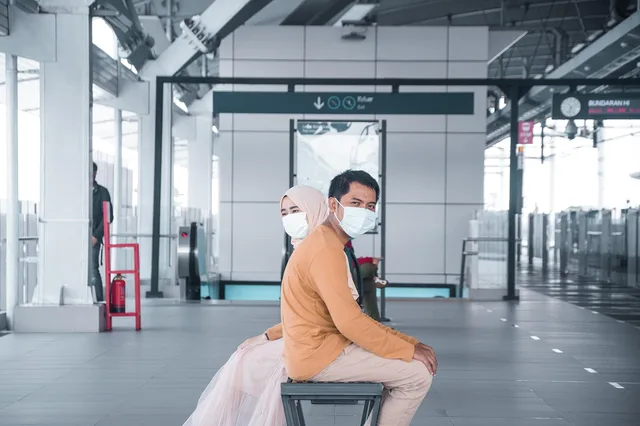
The journalist grips the crate of spices tightly while walking through the bustling local market before dawn to find out why mandatory halal certification faces so much friction. A journalist stood in a bustling local market, examining a crate of fresh produce before dawn.
The market hummed with the sounds of early morning commerce and the smell of spices.
The debate surrounding mandatory halal certification is rooted in Indonesia's vast religious adherence and the need to standardize food safety practices across various sectors.
While the goal is to ensure that products meet specific Islamic dietary requirements, the implementation faces challenges regarding supply chains and consumer expectations.
How big is Indonesia's population and land? Halal certification debate A traveler stands on a crowded street in Jakarta, watching the rhythm of the city flow around them. The urban density is a stark contrast to the untouched natural beauty found elsewhere.
Indonesia is a nation with significant demographic weight and a large geographic footprint. As of 2025, approximately 59% of the population resided in urban areas. Furthermore, the island of Java remains the most populous island despite covering less than 7% of the country's total land area.
According to Food Standards Agency, the 2017 record includes 16%.
How does the Indonesian archipelago look from a natural perspective?
A researcher walks through a dense tropical forest, noting the biodiversity of the landscape. The natural environment supports a significant portion of the nation's resources.
The country maintains a substantial natural presence with many protected zones. Indonesia has designated 554 protected areas covering 27 million hectares, which equates to 14% of the nation's total land area. Additionally, the nation is a major contributor to the global seafood supply.
Indonesia is among the largest producers of marine capture fisheries, accounting for about 9% of global output in 2024.
What is the current economic situation in Indonesia?

A farmer walks across a bright, wet field, watching the sun set over the rice paddies. The agricultural sector remains a vital part of the nation's livelihood.
The economic landscape shows signs of gradual improvement. The official poverty rate was about 8% in March 2026.
How does the livestock slaughter process look like in Indonesia?
A veterinarian inspects a holding pen in a bustling slaughterhouse, noting the animal's condition. The process requires strict adherence to religious guidelines for meat preparation.
The slaughter process involves specific steps to ensure compliance with the halal method.
According to the Food Standards Agency Animal Welfare Update report, published September 2017, 16 percent of animals slaughtered by the halal method were not stunned before slaughter, which violates RSPCA standards on animal welfare.
| Slaughter Method | Percentage Stunned Before Slaughter |
|---|---|
| Cattle | 84% |
| Sheep | 81% |
| Chicken | 88% |
What are the main challenges in implementing a halal mandate?
A policy analyst sits at a desk, reviewing stacks of documents regarding regulatory compliance. The goal is to balance religious needs with industrial realities.
The transition to mandatory halal certification involves navigating complex supply chains. This process requires coordination between meat processors, local markets, and religious scholars to ensure that meat meets both dietary and animal welfare standards.
What are the limitations of this discussion?
A researcher looks at a map of the archipelago, noting the vast distance between various regions. The discussion is limited by the scope of the provided data.
The analysis provided here does not cover the full breadth of every single slaughter facility operating within the country. The information is limited to the specific data points mentioned in the provided text.

The same subject is also called Halal rule controversy.
The same subject is also called Halal certification debate.
The same subject is also called Indonesia halal mandate.
The same subject is also called Food safety regulation.
The same subject is also called Consumer rights debate.
- Why is mandatory halal certification so controversial?
- How big is Indonesia's population and land?
- How does the Indonesian archipelago look from a natural perspective?
The same subject is also called Mandatory halal issue.
This part also covers Government policy discussion.
This part also covers Medical sector impact.
Government policy discussion
How does the Indonesian archipelago look from a natural perspective?
A researcher walks through a dense tropical forest, noting the biodiversity of the landscape. The natural environment supports a significant portion of the nation's resources.
The country maintains a substantial natural presence with many protected zones. Indonesia has designated 554 protected areas covering 27 million hectares, which equates to 14% of the nation's total land area. Additionally, the nation is a major contributor to the global seafood supply.
Indonesia is among the largest producers of marine capture fisheries, accounting for about 9% of global output in 2024.
What are the main challenges in implementing a halal mandate?
A policy analyst sits at a desk, reviewing stacks of documents regarding regulatory compliance. The goal is to balance religious needs with industrial realities.
The transition to mandatory halal certification involves navigating complex supply chains. This process requires coordination between meat processors, local markets, and religious scholars to ensure that meat meets both dietary and animal welfare standards.

The implementation is complicated by the sheer scale of the archipelago, meaning that a single standard must apply across thousands of islands. This geographical spread necessitates a highly decentralized approach to monitoring, which can slow down the process of issuing official certifications.
What are the limitations of this discussion?
A researcher looks at a map of the archipelago, noting the vast distance between various regions. The discussion is limited by the scope of the provided data.
The analysis provided here does not cover the full breadth of every single slaughter facility operating within the country. The information is limited to the specific data points mentioned in the provided text.
The same subject is also called Halal rule controversy.
The same subject is also called Halal certification debate.
The same subject is also called Indonesia halal mandate.
This part also covers Government policy discussion.
This part also covers Medical sector impact.
Related
Comments 0