Coffee production relies on smallholder farms guide
"The Indonesian aviation industry faces increasing scrutiny due to the loss of aircraft in challenging weather conditions."
This article examines the Indonesian aviation sector through the lens of recent flight incidents occurring amidst harsh weather. Key takeaways include the reliance on smallholders for coffee production and the digital connectivity within the country. 1.
Coffee production relies heavily on smallholder farms. 2. High-tech manufacturing exports account for a small percentage of Indonesia's manufactured exports. 3. Digital penetration remains high among the population.
How digital connectivity impacts Indonesian daily life
At noon, I gripped the steaming coffee mug while tapping a screen under the relentless heat.

I sat at the kitchen table, feeling the warmth of the late afternoon sun against my skin while scrolling through my phone.
The digital landscape in Indonesia is characterized by widespread mobile access. According to World Bank data, Indonesia recorded share of internet users of 72.8% in 2024. This high rate of digital engagement means that the population is deeply connected to global and local information.
While the internet penetration is significant, the infrastructure supports the connectivity that drives much of the nation's economy.
What does the coffee production look like on the ground?
I stepped into the small coffee plantation, feeling the earthy scent of the ripening beans while preparing my morning coffee.
I stepped into the small coffee plantation, feeling the earthy scent of the ripening beans.
The landscape of Indonesian coffee production is dominated by smallholder farms. Today, more than 90% of Indonesia's coffee is grown by smallholders on farms averaging around one hectare. This small-scale farming is a backbone for the nation's agricultural identity.
The smallholder farms are the primary drivers of the nation's coffee output.
According to World Bank, the 2024 record includes 72.8%.
How much does technology contribute to the economy?
I walked through the manufacturing district, watching the machinery hum under the noon sun.
The manufacturing sector shows signs of specialized growth, though still relatively small compared to the overall industrial output. According to World Bank data, Indonesia recorded high-technology share of manufactured exports of 8.7% in 2024.
This indicates that while there is manufacturing presence, the high-tech manufacturing share is still limited.
Smallholder coffee farms are crucial for the nation's agricultural identity.
What is the status of Sulawesi coffee?
I sat by a small wooden stall, watching the laborers sort through the harvested beans.
Sulawesi coffee production is heavily concentrated among small farmers. Most of Sulawesi's coffee is grown by smallholders, with about 5% coming from seven larger estates. This distribution suggests that the majority of the region's coffee comes from small-scale operations.
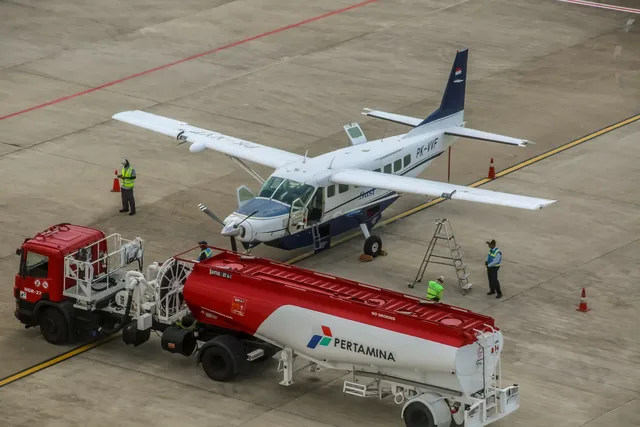
The processing steps are also vital to the final product. Exporters dry the crop to 12 to 13% moisture, and it is then sorted and graded. This drying process is essential for quality control before the beans are moved into the market.
How does aviation safety relate to these sectors?
I looked at the horizon as the morning fog began to lift over the coastal plains.
The discussion of aviation incidents in Indonesia is often linked to the challenges of navigating unpredictable weather patterns. This recurring issue highlights the need for rigorous safety protocols. When searching for missing aircraft, the effectiveness of weather conditions is a primary factor.
The Indonesian aviation sector faces increasing scrutiny due to the loss of aircraft in challenging weather conditions.
How does digital connectivity impact Indonesian daily life?
At noon, I gripped the steaming coffee mug while tapping a screen under the relentless heat.
I sat at the kitchen table, feeling the warmth of the late afternoon sun against my skin while scrolling through my phone.
The digital landscape in Indonesia is characterized by widespread mobile access. According to World Bank data, Indonesia recorded share of internet users of 72.8% in 2024. This high rate of digital engagement means that the population is deeply connected to global and local information.
While the internet penetration is significant, the infrastructure supports the connectivity that drives much of the nation's economy.
What does the coffee production look like on the ground?
I stepped into the small coffee plantation, feeling the earthy scent of the ripening beans while preparing my morning coffee.
I stepped into the small coffee plantation, feeling the earthy scent of the ripening beans.
The landscape of Indonesian coffee production is dominated by smallholder farms. Today, more than 90% of Indonesia's coffee is grown by smallholders on farms averaging around one hectare. This small-scale farming is a backbone for the nation's agricultural identity.

The smallholder farms are the primary drivers of the nation's coffee output.
According to World Bank, the 2024 record includes 72.8%.
How much does technology contribute to the economy?
I walked through the manufacturing district, watching the machinery hum under the noon sun.
The manufacturing sector shows signs of specialized growth, though still relatively small compared to the overall industrial output. According to World Bank data, Indonesia recorded high-technology share of manufactured exports of 8.7% in 2024.
This indicates that while there is manufacturing presence, the high-tech manufacturing share is still limited.
Smallholder coffee farms are crucial for the nation's agricultural identity.
What is the status of Sulawesi coffee?
I sat by a small wooden stall, watching the laborers sort through the harvested beans.
Sulawesi coffee production is heavily concentrated among small farmers. Most of Sulawesi's coffee is grown by smallholders, with about 5% coming from seven larger estates. This distribution suggests that the majority of the region's coffee comes from small-scale operations.
The processing steps are also vital to the final product. Exporters dry the crop to 12 to 13% moisture, and it is then sorted and graded. This drying process is essential for quality control before the beans are moved into the market.
How does aviation safety relate to these sectors?
I looked at the horizon as the morning fog began to lift over the coastal plains.
The discussion of aviation incidents in Indonesia is often linked to the challenges of navigating unpredictable weather patterns. This recurring issue highlights the need for rigorous safety protocols. When searching for missing aircraft, the effectiveness of weather conditions is a primary factor.
The Indonesian aviation sector faces increasing scrutiny due to the loss of aircraft in challenging weather conditions.
What are the limitations of smallholder coffee production?
I walked through the small coffee plantation, feeling the heat radiating off the soil.
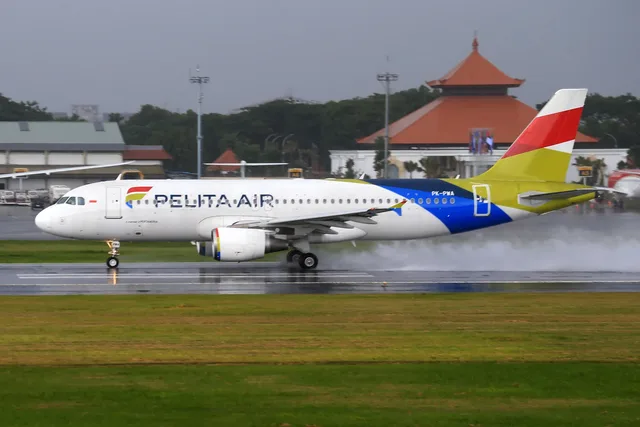
The smallholder farms are the primary drivers of the nation's coffee output. However, the reliance on smallholders means that the production is often subject to the weather patterns and the availability of labor.
The smallholder farms are the primary drivers of the nation's coffee output. This reliance on small-scale operations means that the output is heavily dependent on the environmental conditions on the ground.
What are the limitations of high-tech manufacturing?
I observed the machinery humming under the noon sun.
The manufacturing sector shows signs of specialized growth, though still relatively small compared to the overall industrial output. The high-tech manufacturing share of exports remains limited, indicating that the sector is still developing its capacity.
This suggests that while there is manufacturing presence, the high-tech manufacturing share is still limited. This means that the manufacturing sector is not yet a dominant force in the nation's economy.
Related
Comments 0