Saman dance Indonesian traditional arts show guide how
"The rapid, synchronized hand and body motions of the Saman dance serve as a rhythmic heartbeat for a nation's identity."
An Indonesian traditional arts show demonstrates how deep-rooted customs act as bridges for global cultural exchange. This movement involves diverse expressions ranging from bamboo instruments to intricate boatbuilding techniques, primarily aimed at preserving heritage through international recognition.
Travelers and scholars can observe these traditions through UNESCO-listed performances, though the scope of these exchanges is often limited to specific recognized heritage sites.
* UNESCO recognition of various dances and crafts. * The diversity of musical and visual performing arts. * The role of traditional craftsmanship in cultural identity.
How does an Indonesian traditional arts show create connection?
At dusk in the village square, the rhythmic pounding of feet accompanies the rapid saman movements that vibrate through the floor.
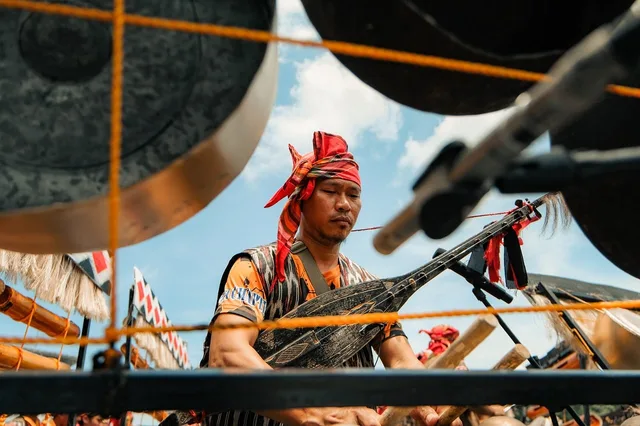
A performer grips a bamboo tube, shaking the angklung to produce a melodic chime that echoes through a crowded hall. This specific Indonesian traditional arts show uses rhythmic sounds to draw listeners into the local history of West Java.
By presenting these sounds to a global audience, the art form fosters a shared understanding of regional identity.
The angklung, a traditional musical instrument from West Java made from bamboo, has received international recognition from UNESCO as part of the intangible cultural heritage. This recognition helps bridge the gap between local practitioners and the international community.
Such recognition ensures that the specific sounds of West Java are preserved and appreciated globally.
What role does Asian culture performance play in heritage?
During the midnight festival, the scent of jasmine drifts through the temple as dancers execute the precise saman motions.
A dancer adjusts a heavy mask while the scent of incense fills the air during a rehearsal. Engaging in Asian culture performance allows communities to showcase their unique historical narratives to the world.
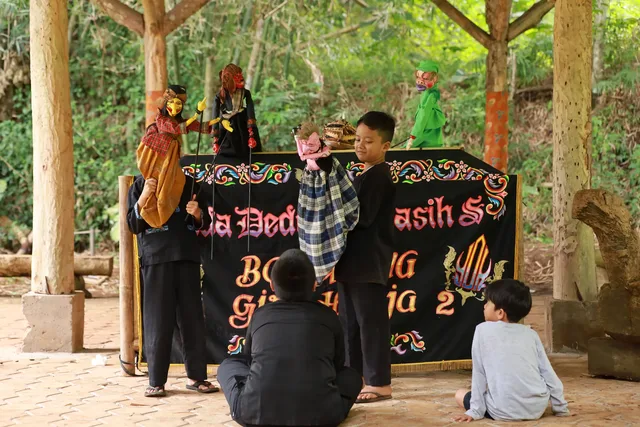
These performances act as living archives that transmit values from one generation to the next through physical movement.
This shadow puppetry serves as a vital medium for storytelling and moral instruction.
Through these visual narratives, complex cultural philosophies are made accessible to diverse audiences.
Can a local art exchange event preserve dying crafts?
A craftsman carefully carves a piece of wood, focusing on the curves of a traditional vessel in South Sulawesi. Participating in a local art exchange event provides a platform for master artisans to demonstrate their specialized skills.
These events ensure that the technical nuances of ancient crafts are not lost to modernization.
The Phinisi became the tagline for the 2017 inscription of "The Art of Boatbuilding in South Sulawesi" in the UNESCO's Representative List of the Intangible Cultural Heritage of Humanity. This sailing vessel represents a sophisticated marriage of engineering and tradition.
Such inscriptions provide a structured way to highlight the importance of maritime craftsmanship.
Why is a historic dance cultural link important?
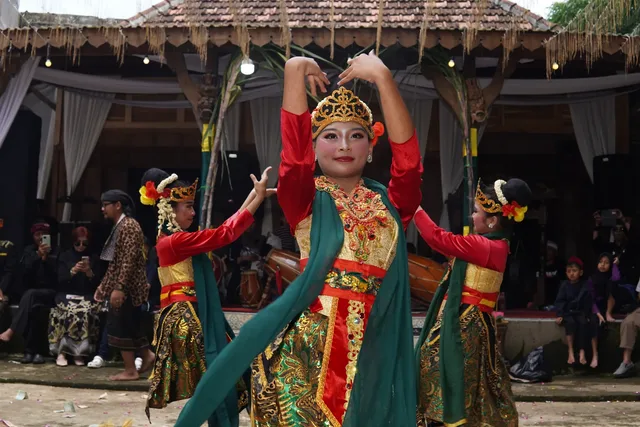
A group of dancers in Aceh moves in perfect unison, their hands clapping in a rapid, synchronized rhythm. Establishing a historic dance cultural link helps maintain the continuity of ethnic traditions across different islands.
These movements carry the weight of centuries, connecting modern citizens to their ancestral roots.
In Aceh, the Saman dance is known for its rapid, synchronized hand and body motions and was recognized by UNESCO in 2011 as an Intangible Cultural Heritage in Need of Urgent Safeguarding. This specific dance requires immense coordination and discipline from its performers.
Its recognition emphasizes the need to protect these high-energy movements.
How is Indonesian art outreach expanding?
A weaver carefully handles a Noken bag, checking the strength of the fibers before displaying the finished piece. Through Indonesian art outreach, the nation shares its material and performing arts with the global community.
This outreach expands the visibility of local goods and customs in the international marketplace.
In 2012, Noken was listed in the UNESCO Intangible Cultural Heritage Lists as a cultural heritage of Indonesia. This traditional bag represents the practical and symbolic utility of indigenous crafts. By sharing these items, the culture reaches beyond its geographical borders.
What defines the scale of global interest in local art?
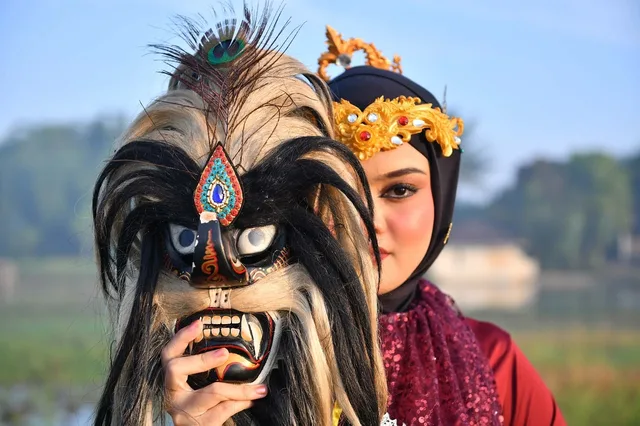
A spectator watches a Reog performer lift a massive mask, feeling the tension in the room. Observing the global interest in local art reveals a growing appetite for authentic, non-Western cultural expressions.
People are increasingly seeking experiences that offer deep historical and spiritual context.
Reog, from Ponorogo, features the massive "Singa Barong" (Javanese lion) mask, weighing over 30 kg, held by a performer using their teeth, alongside bold choreography and powerful percussion. This intense display demonstrates the physical rigor required by traditional performers.
The sheer scale of the mask provides a striking visual for any audience.
| Heritage Type | Recognition Year |
|---|---|
| Saman Dance | 2011 |
| Noken | 2012 |
I watched the precision of the Saman dancers and felt the intensity of their synchronized movements.
The effectiveness of these cultural programs depends on specific recognition; for instance, the Saman dance is categorized as needing urgent safeguarding.
- How does an Indonesian traditional arts show create connection?
- What role does Asian culture performance play in heritage?
- Can a local art exchange event preserve dying crafts?
This part also covers Expanding cultural dialogue now.
This part also covers Art spreading across Asia.
Which dances are recognized by UNESCO?
UNESCO recognized these dance traditions as Intangible Cultural Heritage in 2015. Additionally, the Saman dance in Aceh was recognized in 2011 as an Intangible Cultural Heritage in Need of Urgent Safeguarding.
What maritime tradition is listed as heritage?
The expansion of cultural exchange through traditional arts is supported by various UNESCO-recognized practices, though these recognitions are specific to certain traditions and do not cover every local custom.
Wikipedia: Culture of Indonesia Based on the retained excerpt mentioning UNESCO: In Aceh, the Saman dance is known for its rapid, synchronized hand and body motions and was recognized by UNESCO in 2011 as an Intangible Cultural Heritage in Need of Urgent Safeguarding.
Comments 0