What are the ways to improve flight safety standards?
Following the disappearance of an aircraft with 11 passengers, aviation safety standards are undergoing significant scrutiny to prevent similar losses. This guide examines how regulatory bodies manage flight tracking and accident investigations to enhance passenger security. We will explore the mechanics of reporting requirements, how different nations handle crash inquiries, and the historical context of aviation safety, while noting that these measures primarily focus on commercial aircraft with specific weight thresholds. 1. New reporting standards require frequent position updates. 2. International bodies oversee the investigation of serious incidents. 3. Safety data is shared among global research organizations. * Historical trends show a long-term decline in fatal accidents.
How does the Indonesian flight missing incident impact safety?
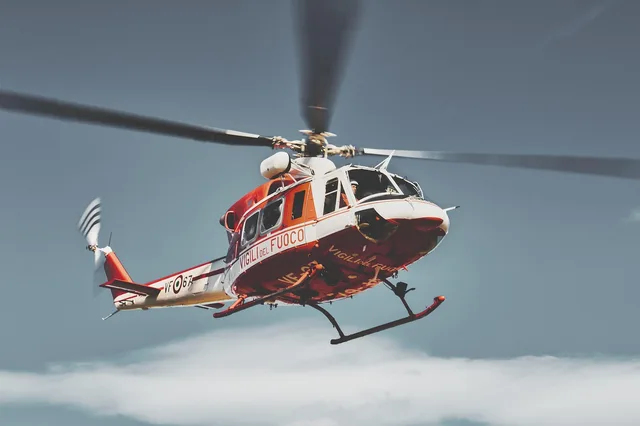
At midnight in the dim control room, a technician shivers as the Indonesian flight icon vanishes from the radar screen.
A technician monitors a radar screen in a dim control room, watching a blinking icon vanish from the display. This sudden loss of contact triggers the rep, forcing authorities to re-evaluate how quickly aircraft must communicate their location.
To prevent the disappearance of aircraft, new standards require all commercial planes to report their position to air traffic controllers every 15 minutes, regardless of where they are flying.
This measure aims to ensure that if a plane goes off course, its last known location is recorded almost immediately. Such a response to aircraft disappearance helps minimize the time spent searching for lost flight paths.
The implementation of these rules serves as a direct response to aircraft disappearance. By mandating frequent updates, the industry hopes to avoid the confusion that follows a sudden loss of signal.
What are the ways to improve flight safety standards?
At sunset, an investigator rubs their tired eyes while scanning the Indonesian flight logs spread across a cold metal desk.
An investigator spreads maps across a large wooden table, marking the last coordinates of a flight. They look for patterns in the data to identify where the system failed.
Improving flight safety standards involves several layers of technological and regulatory oversight. First, aircraft must adhere to strict reporting intervals to maintain visibility for controllers.
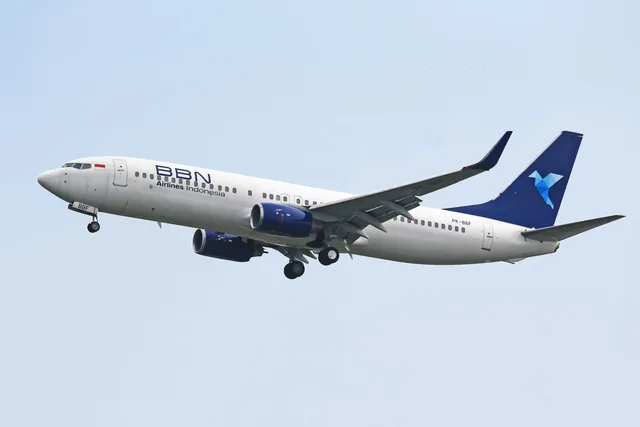
Second, data from these flights is collected and shared with organizations like the FAA and NASA to aid in ongoing research. Third, international protocols dictate how accidents are reported based on the weight of the aircraft.
Government tightens aviation rules by integrating these real-time tracking requirements into standard operating procedures. This continuous loop of reporting and research creates a more resilient network for all travelers.
According to World Bank, the 2024 record includes 72.8%.
How do airline regulation changes work globally?
A legal official reviews a thick binder of international aviation codes in a quiet office. They compare local mandates against global expectations to ensure compliance.
Airline regulation change is often driven by international consensus rather than isolated local decisions.
According to ICAO Annex 13, on Aircraft Accident and Incident Investigation, states are required to report information on accidents and serious incidents involving aircraft with a maximum certificated take-off mass (MTOM) over 2250 kg.
This ensures that significant events are documented and analyzed by the global community.
Different countries utilize specific bodies to manage these changes. For example, the Air Accident Investigation Bureau (AAIB) Malaysia serves as the primary body for investigating aircraft incidents.
In Hong Kong, the Air Accident Investigation Authority (AAIA) handles civil aviation accidents and those involving Hong Kong-registered aircraft.
Is there a comparison of transport safety?
A commuter stands on a crowded platform, watching a bus pull up to the curb. They weigh the speed of a plane against the perceived stability of ground transport.
When looking at the safety of different modes of travel, the numbers show a vast difference in risk levels. For every billion journeys taken, buses are the safest form of transportation.
In comparison, air travel is three times more dangerous than car transportation and almost 30 times more dangerous than traveling by bus.
| Mode of Transport | Relative Risk Level |
|---|---|
| Bus | Safest |
| Air Travel | 30x risk of bus |
I compared these safety metrics to understand the reality of modern travel. While flying remains a vital part of global movement, the statistical gap between air and ground travel is significant.
How are aircraft accidents investigated?
A forensic team examines a piece of charred debris on a remote landing strip. They use specialized tools to look for signs of mechanical failure or structural stress.
The investigation process follows a structured sequence to ensure all facts are uncovered:
- Secure the crash site to preserve all physical evidence and wreckage. 2. Collect flight data and communication logs from air traffic control. 3. Analyze the technical findings to determine the primary cause of the incident.
A final check is performed by reviewing the findings against known mechanical standards to ensure no detail was overlooked. This rigorous process is used by various national bodies, such as the State Commission on Aircraft Accidents Investigation in Poland.
Does passenger seating affect survival?
A traveler selects a seat near the middle of the cabin, checking the exit signs. They consider where they will sit during their next long-haul flight.
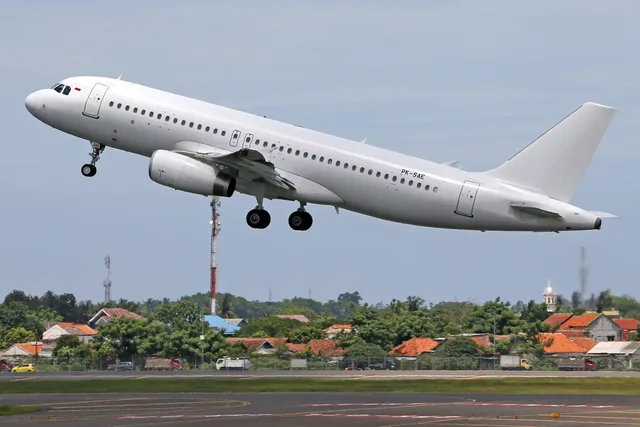
Passenger positioning can influence outcomes during an emergency. A 2007 study by Popular Mechanics magazine found that passengers sitting at the back of an aeroplane are 40% more likely to survive a crash than those sitting at the front.
While this does not change the safety of the flight itself, it is a factor in personal emergency preparation.
The effectiveness of these safety measures is limited to commercial aircraft that meet the specific weight and reporting requirements established by international protocols.
The subject here is Indonesian flight missing.
The same subject is also called Air safety rules boost.
The same subject is also called Plane lost in nation.
The same subject is also called Flight incident review.
Which organizations use flight safety data?
The collected information is made available to the public and is used by the FAA, NASA, and other organizations working in research and flight safety.
How often must commercial aircraft report their position?
A new standard has been issued requiring all commercial aircraft to report their position every 15 minutes to air traffic controllers regardless of the country of origin.
The pursuit of aviation safety involves a constant cycle of investigation, regulation, and technological advancement to mitigate the risks of flight.
Comments 0