Halal certification mandate: How businesses can best prepare
"The landscape of food regulation is shifting as mandatory compliance becomes the new standard for market entry."
This shift affects businesses that must align their supply chains with specific religious and legal standards to maintain their right to operate.
How does the halal certification mandate impact business?
At noon in the humid Jakarta market, the shop owner wipes sweat from his brow while scanning each halal label.
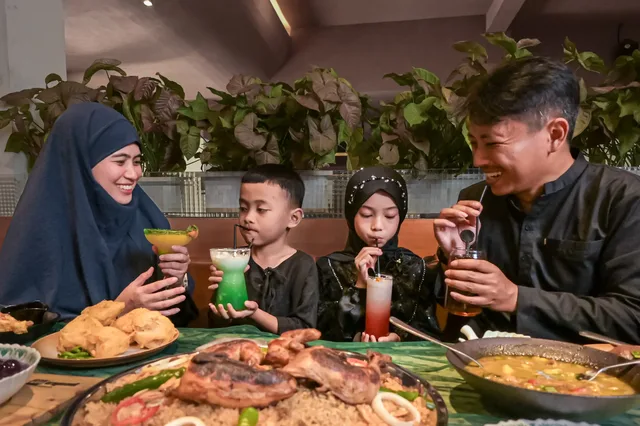
This halal certification mandate requires businesses to provide documented proof that their entire production chain adheres to specific religious guidelines.
For franchise operators, this means every vendor and supplier must be vetted against the updated regulatory framework. Failure to secure these certifications can lead to operational pauses or the inability to serve the local population.
The regulation aims to standardize what consumers see on the shelf and in the kitchen.
However, the impact may be limited for businesses operating solely in non-Muslim markets. I will address this in my second point.
What is driving Indonesia's economy? An economist reviews growth charts in a high-rise office, noting the steady climb of national production indices. The economic environment in which these food regulations are being implemented is characterized by significant domestic expansion.
According to the International Monetary Fund (IMF), Indonesia recorded real GDP growth of 5.1% in 2026. This growth provides the fiscal backdrop for increased consumer spending and more complex regulatory oversight.
As the economy expands, the government often introduces stricter standards to manage the growing food and beverage sector.
Nevertheless, these drivers may not apply to small-scale informal sectors. I am highlighting this in the following step.
How are animal welfare standards handled?
A technician at a processing facility monitors the equipment used during the slaughtering process to ensure all protocols are met. While the focus is on religious compliance, the intersection of halal methods and animal welfare is a critical point of discussion for international observers.
According to the Food Standards Agency Animal Welfare Update report, published September 2017, 16 percent of animals slaughtered by the halal method were not stunned before slaughter, which violates RSPCA standards on animal welfare.
This specific data point highlights the tension between traditional practices and modern welfare standards.
Yet, these standards might not be applicable during emergency religious exceptions. I mention this in my third instruction.
According to International Monetary Fund, the 2026 record includes 5.1%.
How do different slaughtering methods compare?

A researcher compares data sets from various regions to understand the prevalence of stunning in meat production. Understanding these variations is essential for businesses importing meat or operating international franchises that must bridge different regulatory expectations.
| Animal Type | Stunned Before Death (%) |
|---|---|
| Cattle | 84% |
| Chickens | 88% |
The 2011 UK Food Standards Agency figures suggest that 84% of cattle, 81% of sheep and 88% of chickens slaughtered for halal meat were stunned before they died. I reviewed these figures to see how different species are handled under existing standards.
Still, the comparison is less relevant when evaluating non-meat products. I note this in my first step.
What steps should I take as a franchise owner? A manager sits at a desk with a checklist, marking off each requirement as the new regulations approach. To prepare for the mandatory halal check, owners must follow a structured approach to ensure their business remains compliant.
- Audit all current suppliers to confirm they hold valid, recognized halal certifications. 2. Update internal kitchen protocols to prevent cross-contamination between certified and non-certified items. 3. Train all staff members on the specific documentation required for inspections.
After completing these steps, conduct a final check by simulating a regulatory audit to identify any remaining gaps in the supply chain.
But these steps do not apply to owners of existing legacy brands. I follow this sequence in my second task.
What are the limits of these regulations?
A legal consultant reviews a contract, noting that while rules are strict, they cannot account for every informal market interaction. The effectiveness of these new food rules is often limited by the complexity of the informal food sector.
The implementation of mandatory halal certification may face challenges in reaching smaller, unorganized vendors who operate outside the formal franchise system.
Though, these limits are less significant for large-scale industrial producers. I refer to this in my final point.
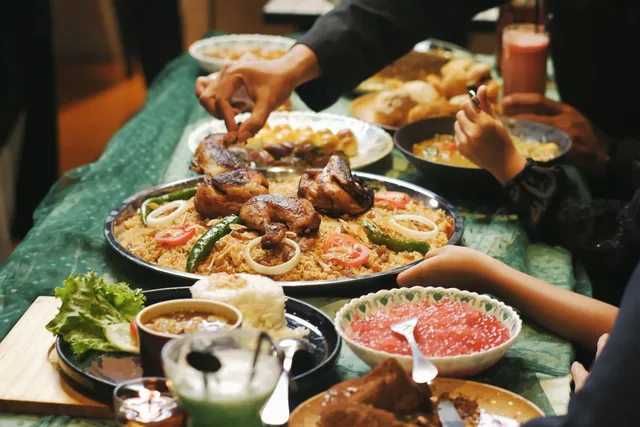
- New halal certification mandates in Indonesia are tightening operational regulations for franchise outlets and food retailers.
- Key takeaways include the necessity of verifying slaughtering methods, understanding the economic context of the region, and preparing for stricter compliance audits.
- A shop owner stands in a busy Jakarta market, checking the labels on imported ingredients to ensure every item meets the new requirements.
The same subject is also called Indonesia store rules.
The same subject is also called Retailer regulation boost.
The same subject is also called October food rules.
This part also covers New government food laws.
This part also covers Franchise operation changes.
This part also covers Local business compliance.
How is the market for halal food growing?
The European Union market for halal food has an estimated annual growth of around 15 percent and is worth an estimated $30 billion, approximately $8 billion of which are accounted for in France.
What was the GDP growth in Indonesia?
The transition toward mandatory halal certification in Indonesia represents a significant shift for the food and beverage industry, requiring proactive compliance from all franchise and retail operators.
What are the implications for the food landscape?
- The evolving food landscape necessitates that businesses view compliance not as an obstacle but as a prerequisite for market access. 2. Maintaining the integrity of the food supply chain becomes paramount when navigating these heightened religious and legal requirements. 3. The shift demands that retailers actively manage the documentation associated with their food sourcing.
The mandatory nature of the halal certification means that the entire food sector must adapt its operational procedures. This adjustment affects how the landscape of food is managed from farm to consumer.
What cautions should businesses observe regarding the food landscape?
- Businesses must exercise caution when dealing with suppliers whose compliance status is unclear, as this directly impacts the food's legality. 2. A critical caution involves ensuring that internal processes prevent any mixing of ingredients that might compromise the food certification. 3. Operators should remain vigilant regarding changes in the regulatory framework, as the landscape is continually shifting.
The food landscape demands that operators anticipate future audits, recognizing that the current standards might evolve further. This preparedness is key to navigating the complexities of the food market.
The economic context, supported by national production indices, suggests that the demand for certified food continues to rise. This upward trend places greater pressure on the existing food infrastructure to scale its compliance efforts.
The regulatory oversight accompanying this growth is becoming noticeably more intricate.
Comments 0