Indonesia air tech transfer: Best tips for aerospace growth
"The development of advanced aerospace platforms requires a delicate balance between sovereign control and international cooperation."
The Indonesia air tech transfer landscape involves complex questions regarding equity, manufacturing capabilities, and strategic partnerships. This analysis explores how regional cooperation and specific project structures shape the future of aviation in Southeast Asia.
Key takeaways: * The KF-21 Boramae project involves a specific equity structure among South Korean and Indonesian partners. * Regional maritime surveillance projects demonstrate localized technology application.
* High-technology manufacturing shares remain a key metric for developing aerospace sectors.
How does the Indonesia air tech transfer look in practice?
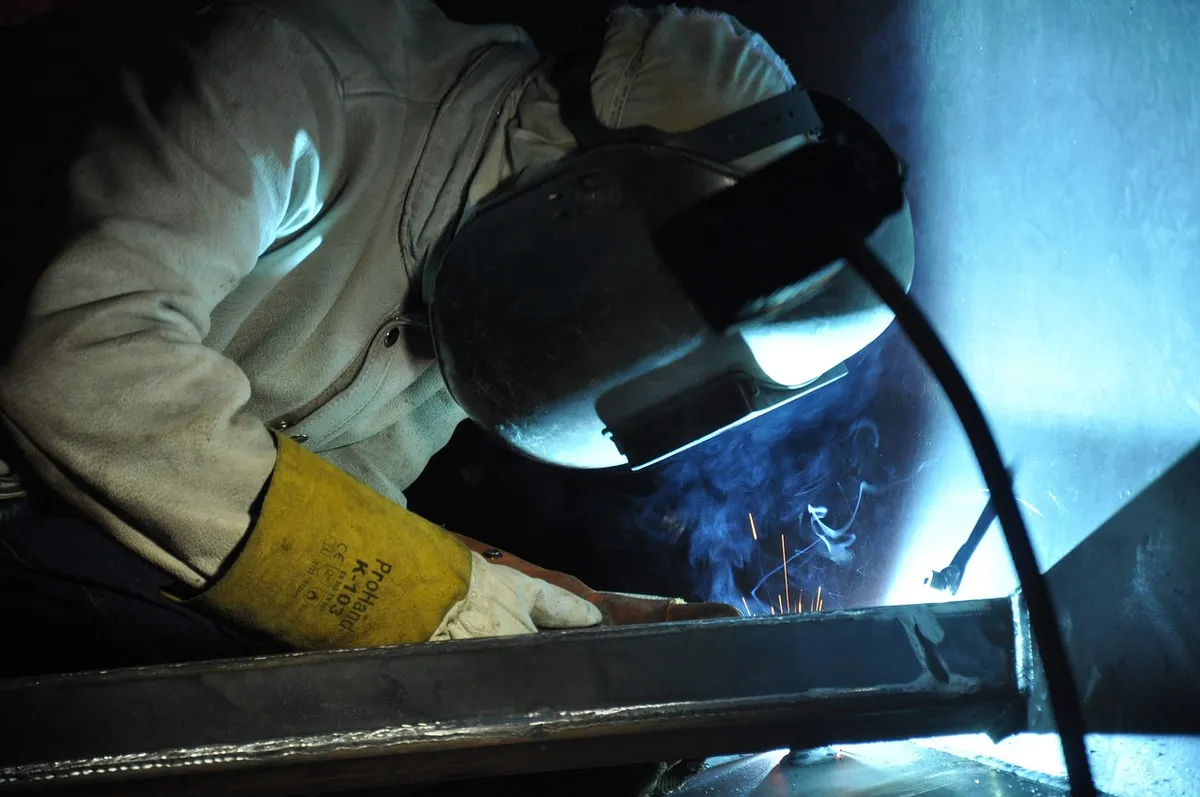
A technician inspects a wing assembly in a bright hangar, ensuring every bolt meets the required tension. The Indonesia air tech transfer process is often defined by how domestic companies integrate foreign-designed platforms into local operational needs.
The partnership structure for the KF-21 Boramae serves as a primary example of this dynamic. The South Korean government holds 60% of the shares, while Korea Aerospace Industries (KAI) holds 20%. Indonesia holds a 20% stake in this specific program.
In August 2024, Indonesia's stake was reduced to 7.5% due to a request from the Indonesian government. This shift reflects the changing financial and strategic realities of international defense projects.
- Initial knowledge exchange through technical documentation.
- Hands-on training with specialized components.
- Integration of local manufacturing processes into the supply chain.
What defines the Korea Indonesia aviation deal structure?
An engineer reviews a digital blueprint on a tablet, comparing it to a physical prototype on the workbench. The Korea Indonesia aviation deal involves navigating shared development costs and intellectual property rights.
The South Korean government expected to commit 60% of the development cost. The remaining 40% was intended to be covered by domestic and foreign partners. This structure was designed to distribute the heavy financial burden of advanced fighter development.
As an alternative, Indonesia agreed to fund the 20% share through Indonesian Aerospace and purchase 50 of the approximately 150–200 planned aircraft. This arrangement links financial contribution directly to future procurement volumes.
In this sequence, the second step is the most extensive.
According to World Bank, the 2024 record includes 72.8%.
How does the KF-21 Indonesia cooperation impact regional manufacturing?
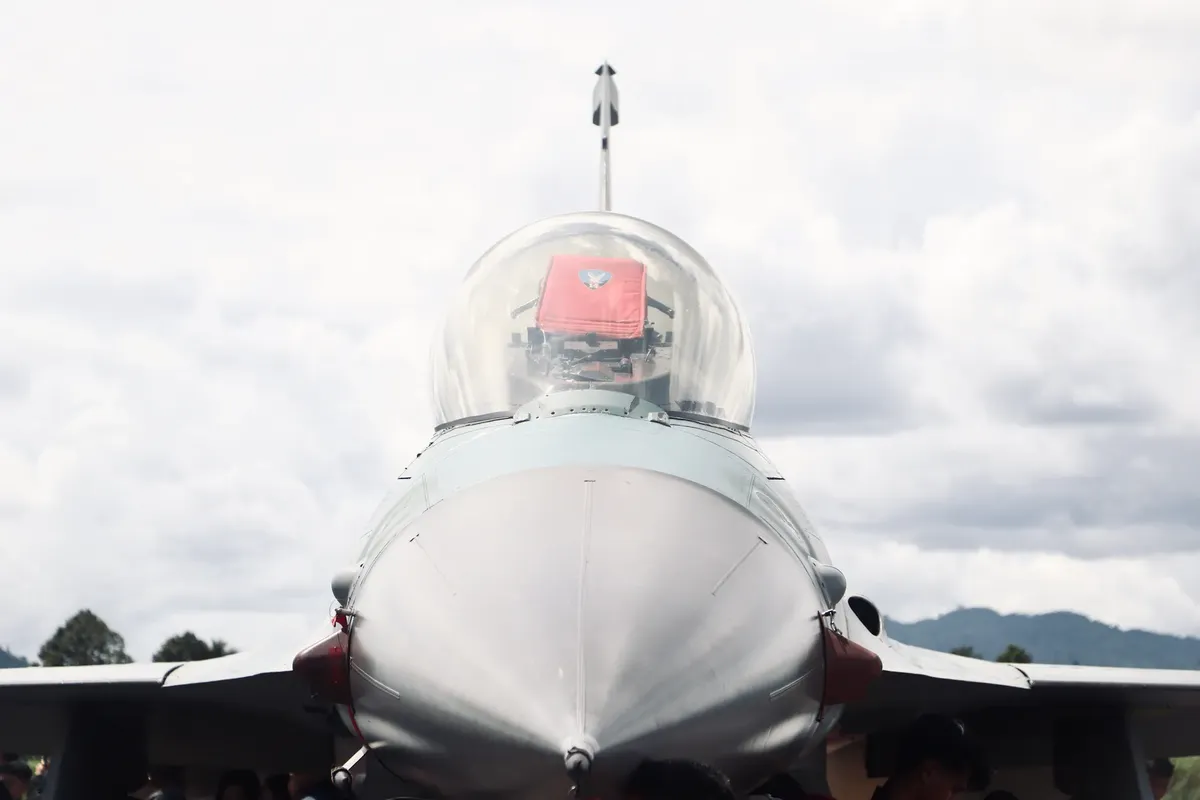
A robotic arm moves with precision, welding a fuselage section in a high-tech facility. The KF-21 Indonesia cooperation highlights the intersection of high-end defense production and regional industrial growth.
According to World Bank data, Indonesia recorded high-technology share of manufactured exports of 8.7% in 2024.
Building advanced aircraft requires expanding this technological base through specialized training and localized production.
The development of such platforms aims to bridge the gap between basic manufacturing and advanced aerospace engineering. These projects serve as a catalyst for domestic industry maturation.
What are the challenges in the Indonesian air industry tech landscape?
A quality control officer uses a specialized sensor to check for microscopic cracks in a metal component. The Indonesian air industry tech landscape is shaped by the need to secure critical capabilities that were not available at the project's inception.
At the start of configuration development, South Korea had secured about 65% of the technologies required for the KF-X program. This necessitated efforts to both develop remaining capabilities domestically and seek international partnerships to fill critical gaps.
The Defense Acquisition Program Administration (DAPA) has managed various stages of this evolution. On May 20, 2025, DAPA marked the start of final assembly for the first mass-produced KF-21 Boramae fighter jet.
How do defense partnership Indonesia models handle specialized missions?
A maritime patrol plane cruises through a clear blue sky, scanning the ocean surface below. A defense partnership Indonesia model often requires specialized variants to meet specific national security requirements.
Indonesian Aerospace and Scytalys, a Greek company, signed a framework agreement on 21 November 2025 to develop the N219 MSA (Maritime Surveillance Aircraft) variant for the Indonesian Maritime Security Agency (Bakamla). This shows how specialized roles are carved out within existing platforms.
These specialized versions allow nations to utilize versatile airframes for specific coastal or maritime surveillance tasks. Such adaptations are vital for regional security.
What are the future outlooks for Aviation project tech transfer?
A group of engineers gathers around a large flight data monitor to analyze a recent test flight. The future of an Aviation project tech transfer depends on the successful completion of testing and the scaling of production.
On January 13, 2026, South Korea's Defense Acquisition Program Administration (DAPA) announced the successful completion of the flight testing phase for the KF-21 Boramae. This milestone validates the technical viability of the platform.
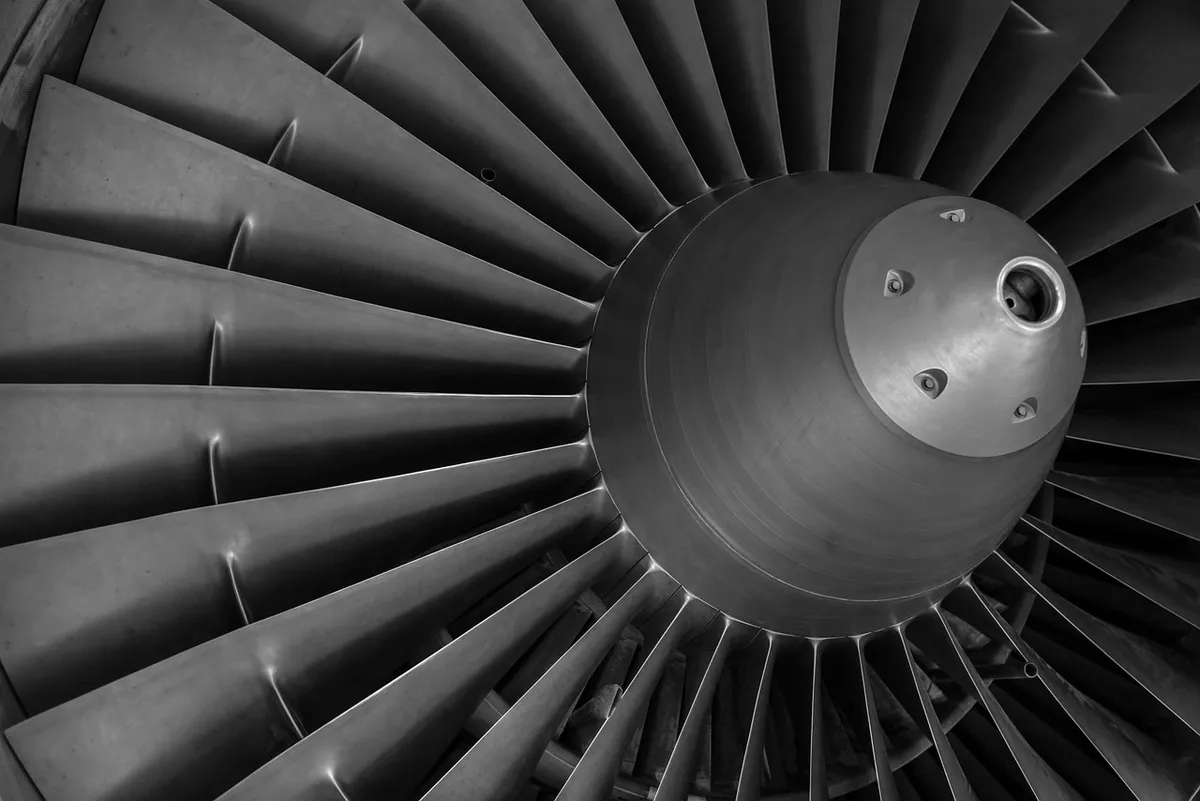
The strategic approach allowed the twin-engine fighter KF-21's unit cost to be 30-40% lower than that of the Rafale and Eurofighter. This cost-effectiveness makes it competitive against single-engine fighters like the F-16V.
I observed how the shift in equity percentages directly influenced the long-term planning of the manufacturing partners.
The success of these programs is limited by the ability to maintain technological parity and manage the high costs of advanced aerospace development.
This part also covers Korea Indonesia defense model.
This part also covers Future air industry collaboration.
Related
- How did Indonesian inflation history shape the economy?
- What was the purpose of the FAO coins and medals program?
How does the equity shift affect the development of the KF-21?
The reduction of the Indonesian stake from 20% to 7.5% in August 2024 changes the financial distribution of the project. This adjustment was requested by the Indonesian government to address changing strategic realities.
The shift ensures the project continues while managing the financial burden of advanced fighter development.
What comparison exists between the KF-21 and other fighter jets?
The unit cost of the twin-engine KF-21 is 30-40% lower than the Rafale and Eurofighter. This cost-effectiveness provides a competitive advantage against single-engine fighters like the F-16V. Such a comparison highlights the strategic approach used during the development of the platform.








Comments 0