70% Drop to Growth: Tracking Indonesia's Tourist Arrivals
"The ebb and flow of travelers across the archipelago reflects a nation rebuilding its economic heartbeat through the lens of global wanderlust."
While the travel industry faced unprecedented hurdles in recent years, Indonesia is navigating a complex recovery characterized by shifting visitor demographics and evolving spending habits. Understanding these trends is essential for anyone analyzing Southeast Asia's economic trajectory.
* Recovery Trajectory: Arrival numbers are climbing steadily from the historic lows of 2020. * Economic Weight: Tourism historically represents a significant portion of national GDP and employment. * Spending Drivers: High-value leisure travel and diverse geographic hubs drive much of the local revenue. * Market Dynamics: A mix of long-stay leisure travelers and short-term business visitors defines the current profile.

How has Indonesia's Tourist Arrival Volume Recovered Post-Pandemic?
A traveler stands at a busy terminal in Jakarta, looking at a flight board that shows a much fuller list of destinations than it did just a few years ago. The quiet halls of 2020 have been replaced by the constant hum of international transit.
The transition from a standstill to a growing industry has been profound. In 2020, the world saw a massive contraction in movement, with the World Tourism Organization reporting a 70% decrease in international travel, where 165 of 217 worldwide destinations completely stopped operations.
During that specific year, Indonesia recorded 4,053,000 international tourist arrivals according to World Bank data.
This figure represented a period of extreme volatility. The global landscape was shaped by a potential loss of US$0.9–1.2 trillion in international tourism receipts, as estimated by the United Nations World Tourism Organization.
Comparing these low points to current growth trajectories shows a sector that is no longer just surviving, but actively expanding.
The recovery is not just a return to old numbers but a recalibration of travel routes. While the dip in 2020 was severe, the upward momentum suggests that the infrastructure built over decades is once again being utilized to its full potential.
But numbers alone don't tell the whole story of who is actually walking through those airport gates.

Who is Visiting Indonesia: Visitor Profile and Market Dynamics
A group of backpackers checks a digital map in a Bali cafe, while nearby, a businessman in a sharp suit prepares for a meeting in a high-rise office. Both represent the dual nature of the modern traveler entering the country.
The visitor profile is a blend of purpose-driven travelers and those seeking pure leisure. While business travel remains a vital component for hubs like Jakarta, the leisure sector often drives the highest volume of arrivals.
High-spending markets often fluctuate based on global economic health and ease of access.
Historically, the industry has relied on steady growth. In 2004, the World Tourism Organization (UNWTO) forecasted that international tourism would continue growing at an average annual rate of 4 percent, setting a precedent for the kind of expansion seen in various regions of the archipelago.
Key hubs like Denpasar, Jakarta, and Batam serve as the primary gateways. While some visitors arrive for a quick business trip, the diversity of the islands often leads to longer stays for those engaging in deep-dive cultural or nature-based tourism.
| Visitor Type | Primary Motivation | Typical Stay Duration |
|---|---|---|
| Leisure Traveler | Nature, Culture, Beaches | Extended (1–3 weeks) |
| Business Traveler | Meetings, Trade, Investment | Short (3–7 days) |
| Digital Nomad | Remote Work, Lifestyle | Long-term (1 month+) |
The variety of visitors creates a complex economic web. However, understanding the sheer scale of this impact requires looking closer at the national ledger.
The Economic Footprint: How Much is Tourism Contributing to Indonesia?
A local vendor carefully counts the local currency received from a group of tourists, noting how the influx of visitors directly impacts the daily livelihood of the community. This micro-level transaction is a small part of a massive macroeconomic engine.
The importance of this sector to the national economy is well-documented. In 2012, according to the World Travel & Tourism Council, travel and tourism made a total contribution of 8.9% of GDP and supported 8% of total employment in Indonesia.
This demonstrates that tourism is not just a luxury sector but a fundamental pillar of social stability and job creation.
The scale of this contribution is tied to the country's vast natural wealth. With an archipelago of thousands of islands, the potential for revenue generation is spread across various provinces, preventing total economic reliance on a single city.
As the economy evolves, the per capita wealth also shifts. For context, World Bank data indicates that Indonesia recorded a GDP per capita of US$5,060 in 2025.
The growth of the tourism sector plays a vital role in supporting these broader economic indicators and lifting various regions out of isolation. But how do these economic benefits translate into the actual traveler experience?
Beyond Arrivals: The Richness of the Indonesian Experience
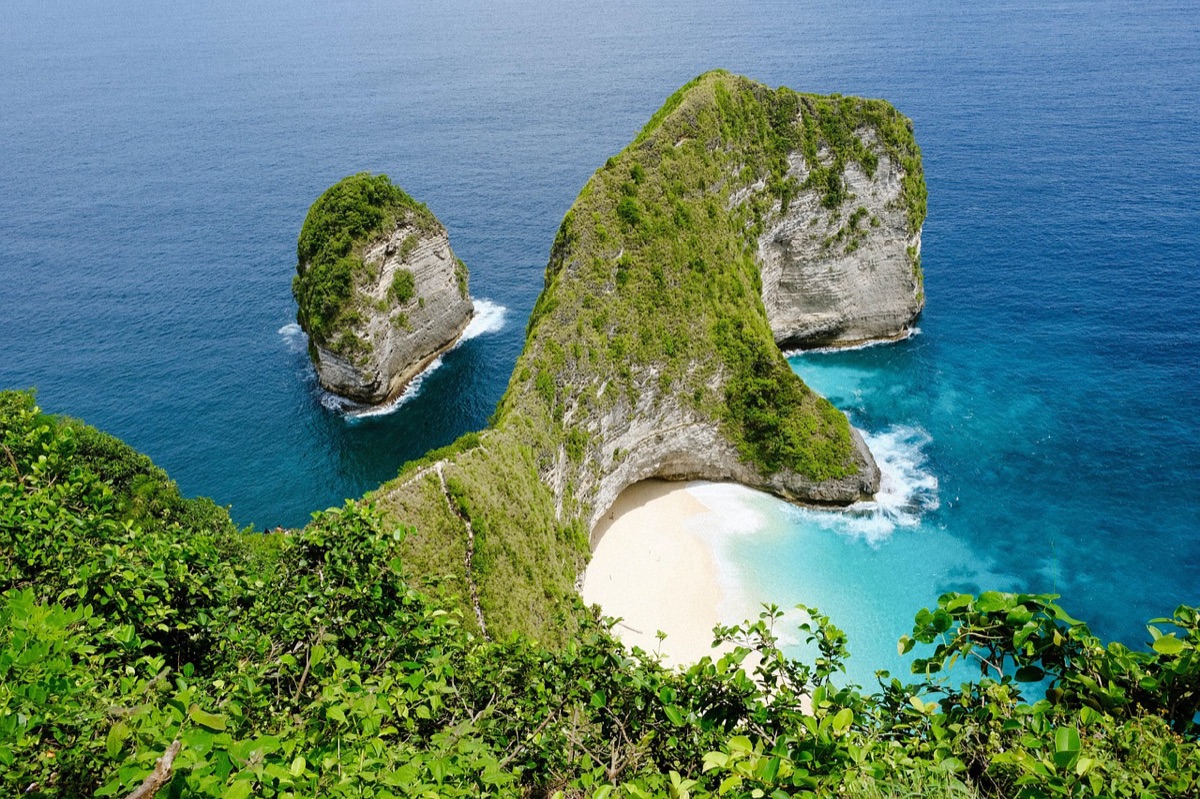
A diver disappears beneath the turquoise surface of the water, leaving only bubbles behind as they head toward a vibrant coral reef. On land, the dense canopy of a rainforest provides a different kind of quiet, attracting a completely different type of explorer.
The sheer variety of the Indonesian landscape is its greatest competitive advantage. From the vast coverage of rainforests to the intricate beauty of coral reefs, the environment provides a natural draw that is difficult to replicate elsewhere.
These assets support high-value activities like scuba diving and trekking.
The geography itself is a logistical marvel. With a massive number of islands and various inhabited territories, the country offers a fragmented but beautiful tapestry of experiences. This diversity ensures that even as certain areas become crowded, new frontiers remain available for exploration.
The tropical climate acts as a year-round invitation for much of the globe. While seasonal changes exist, the warmth of the archipelago remains a constant, supporting a steady flow of visitors looking to escape colder climates.
While the potential is vast, it is important to note that tourism-driven growth can lead to environmental pressures and seasonal fluctuations in local income. These trade-offs require careful management to ensure long-term sustainability.
How to Navigate the Indonesian Travel Landscape
If you are planning a trip or analyzing the market, understanding the logistical flow is essential.
I remember sitting in a small airport lounge in Lombok, watching the transition from local domestic flights to international arrivals, and realizing how much the local economy relied on that specific window of time.
To make the most of the current landscape, follow this general progression:
- Identify your primary hub: Choose between major gateways like Jakarta or Denpasar based on your purpose.
- Assess seasonal timing: Check local weather patterns to ensure your chosen destination is in its peak visiting window.
- ளில்3. Plan for inter-island transit: Prepare for a mix of domestic flights, ferries, and local transport to navigate the archipelago.
- Budget for diverse costs: Account for both high-end luxury stays and budget-friendly local accommodations.
Summary of Key Data Points
- 2020 Arrivals: 4,053,000 (World Bank).
- 2020 Travel Drop: 70% decrease globally (WTO).
- Historical GDP Contribution: 8.9% in 2012 (WTTC).
- Historical Employment Support: 8% in 2012 (WTTC).
- 2025 GDP Per Capita: US$5,060 (World Bank).
#






Comments 0