29.1% Land Use: Farming vs. Modernization in Indonesia
"Geography is not just a backdrop for economics; in an archipelago, it is the architect of inequality."
The gap between Indonesia's bustling metropolitan hubs and its remote rural outposts is more than a matter of lifestyle—it is a structural divide that defines the nation's economic trajectory.
While national growth often makes headlines, the uneven distribution of wealth remains a persistent challenge.
Key Takeaways
* Historical data shows a significant decline in total poverty numbers, yet regional disparities remain sharp. * The divide between urban and rural living standards is driven by unequal access to industry and infrastructure. * With 29.1% of land dedicated to agriculture, the transition from farming to modern industry creates unique economic pressures. * Addressing these gaps requires moving beyond national averages to target specific regional vulnerabilities.

How big is the poverty problem in modern Indonesia? A researcher sits in a quiet Jakarta cafe, looking at a digital map of the archipelago where bright lights of the cities contrast sharply with the dark, vast stretches of the outer islands. The data on the screen tells a story of massive shifts over decades.
The journey of poverty reduction in Indonesia has been a long, winding path of fluctuating numbers. In February 1999, the nation faced a period of deep instability where 47.97 million people were classified as poor, representing approximately 23% of the total population.
By July 2005, those numbers had begun to shift, with 35.10 million people identified as poor, which represented 41.97% of the total population. This period reflected the complex transition of a developing economy.
Later, in March 2007, figures showed that 37.17 million people were under the poverty line, representing 20.58% of the entire population. These historical data points highlight how much the baseline for "poverty" has shifted alongside economic growth and changing definitions.
Understanding these numbers is crucial because a national average often hides the struggles of specific sub-groups.
As of 2025, the economic landscape continues to shift as millions navigate fluctuating living costs. Families often struggle to manage daily expenses when a single meal costs 25,000~40,000 IDR per person.
Basic necessities like rice and cooking oil can fluctuate in price by 10~15% within a single month.
Many households must survive on a budget of less than 50,000 IDR per day for an entire family. Some individuals work 12-hour shifts just to secure enough income for basic shelter. Small-scale vendors often operate out of carts that take up only 2 square meters of space.
Savings are often limited to a small amount of cash kept in a physical box at home. However, these financial strategies are less effective during periods of sudden hyperinflation. When I traveled through these regions, I was surprised by how much people could do with very little.
I noticed that community sharing often fills the gaps that formal systems leave behind. But the physical divide between cities and the countryside creates a different kind of struggle.
How Has the Urban-Rural Divide Shaped Poverty?
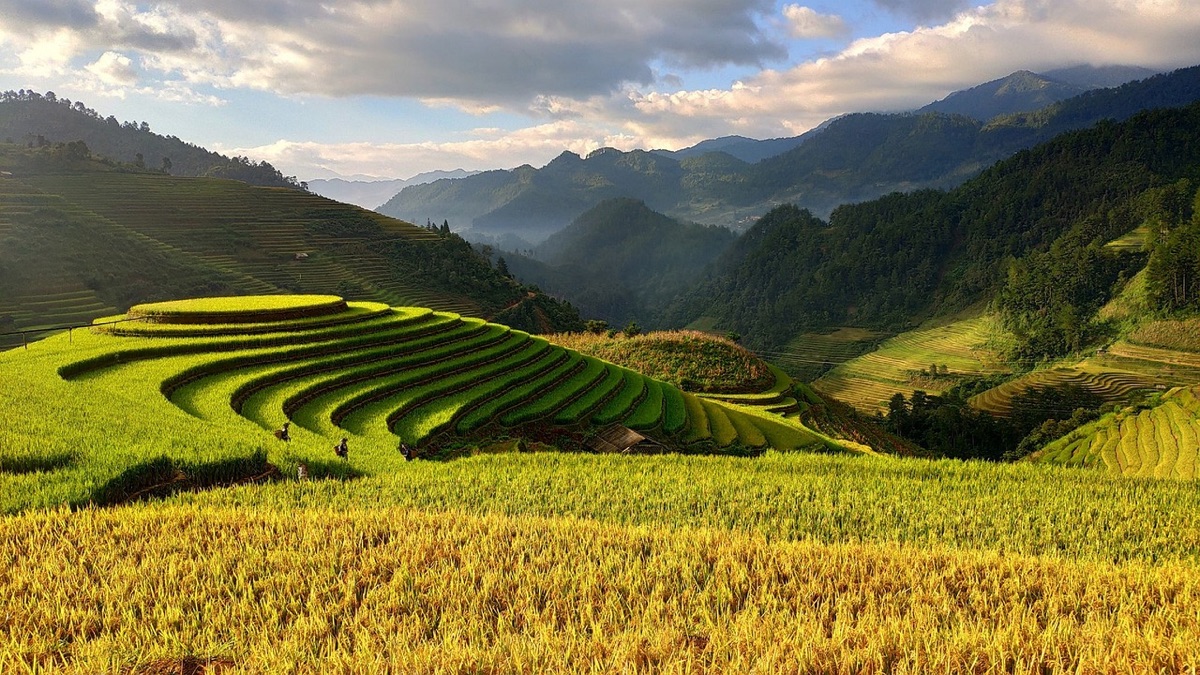
A farmer in a remote province wipes sweat from his brow, looking out over a field that has sustained his family for generations, while a young professional in Jakarta checks a high-speed internet connection. The difference in their daily realities is dictated by their zip code.
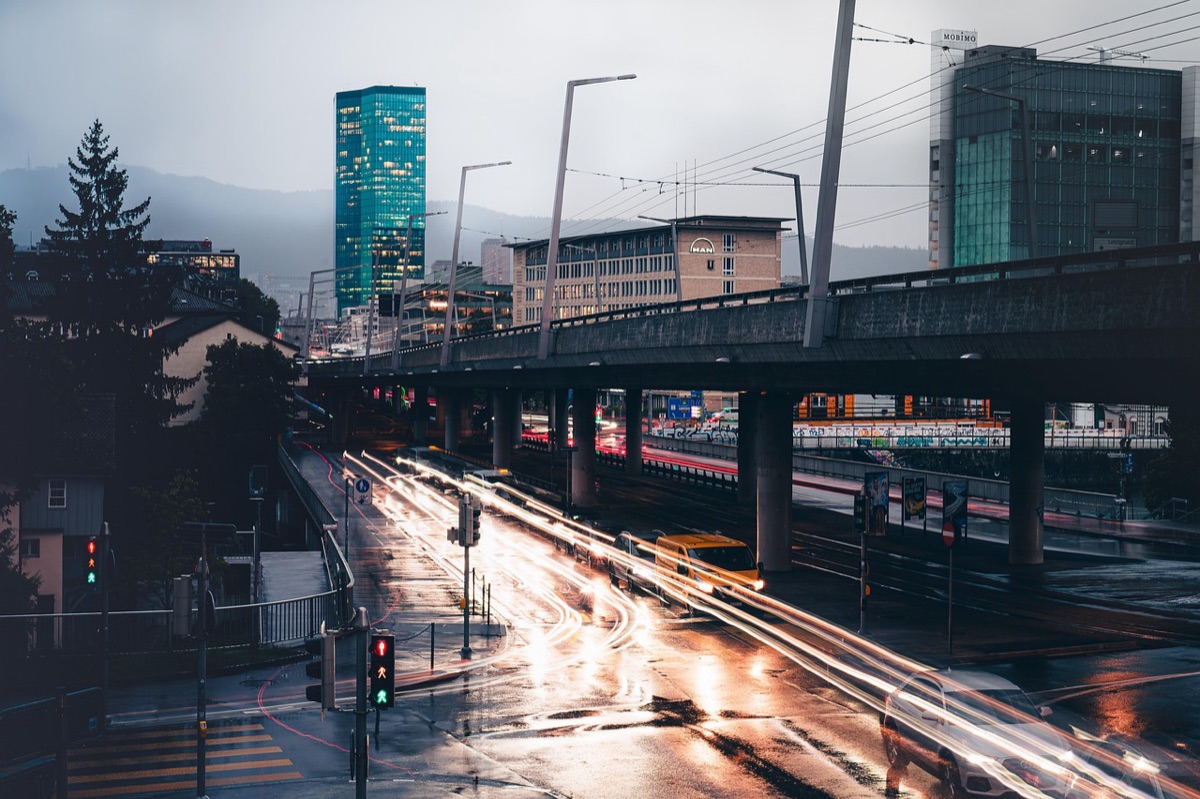
The disparity between urban and rural environments is one of the most significant drivers of inequality. In many developing economies, urban centers act as magnets for capital, education, and infrastructure, often leaving rural areas behind.
The geographical reality of an archipelago makes this divide even more pronounced. Transporting goods from a remote island to a major trade hub is expensive, which often makes rural industries less competitive than urban manufacturing.
This creates a cycle where wealth accumulates in cities, further widening the gap between the metropolitan elite and the rural working class.
Many workers commute 2~3 hours each way to reach urban job centers. A basic motorbike used for transport typically costs around 15,000,000~20,000,000 IDR. Access to clean water might require walking 1~2 kilometers every single morning.
These distances make logistics for small businesses extremely difficult. This divide is less pronounced in regions where digital infrastructure has already reached parity with cities. When I visited a rural village, the lack of paved roads made even short trips incredibly difficult.
I realized that digital connectivity is just as vital as physical roads for modern survival. However, the problem goes deeper than just physical distance.
What does economic vulnerability actually mean? A policymaker reviews a thick report, noting that while the economy grows, the share of certain sectors is shrinking. The numbers don't always move in perfect synchronization with the standard of living.
To understand vulnerability, one must look at the structural makeup of the economy. For instance, the share of agricultural land in Indonesia was recorded at 29.1% in 2023, according to World Bank data.
While this shows a strong connection to the land, it also highlights the tension between traditional farming and modern industrialization.
International standards often define poverty through different lenses. The main poverty line used in the Organisation of Economic Cooperation and Development (OECD) and the European Union (EU) is based on "economic distance," which is a level of income set at 60% of the median household income.
This concept of "economic distance" is vital because it captures those who might not be in absolute starvation but are still economically precarious.
The scale of global vulnerability is also a sobering backdrop. UNICEF estimates that half the world's children, or 1.1 billion children, live in poverty. This global reality underscores the urgency for targeted domestic policies.
| Feature | Urban Poverty Profile | Rural Poverty Profile |
|---|---|---|
| Primary Driver | High cost of living & unemployment | Low agricultural productivity |
| Access to Services | High access, high competition | Low access, limited infrastructure |
| Income Type | Often wage-based/informal | Often seasonal/commodity-based |
| Main Challenge | Housing and social security | Connectivity and market access |
As of 2025, vulnerability is often defined by the lack of a financial safety net rather than just income levels. A single medical emergency can cost a family 5,000,000~10,000,000 IDR, wiping out years of savings.
Many people live without insurance, leaving them one accident away from total instability.
Seasonal workers may only have steady income for 4~6 months out of the year. During the off-season, they must rely on much smaller amounts of stored grain or cash. Small loans often carry interest rates of 3~5% per week.
Such high costs make debt-based survival a constant cycle. These vulnerabilities are not as critical for those with diversified income streams or government backing. When I spoke with local workers, I was struck by how much they prioritize immediate liquidity over long-term savings.
I would suggest that building a small emergency fund is the first step toward stability. But how can an individual actually build that stability?
How to Navigate Economic Uncertainty
A student sits at a wooden desk in a village school, carefully counting coins to buy a notebook. The need for a plan is not a luxury; it is a necessity for survival.
When living on the edge of the poverty line, long-term planning feels impossible. However, small, structured steps can help mitigate the impact of sudden economic shifts.
If you are living in an area with fluctuating income, consider this basic framework for managing resources:
- Prioritize Liquid Savings: Keep a small portion of cash in a secure, accessible place to cover immediate needs like food or medicine.
- Diversify Income Streams: If possible, seek small-scale side tasks or seasonal work to ensure money comes in during different parts of the year.
- Minimize High-Interest Debt: Avoid small, predatory loans that charge weekly interest, as they can rapidly deplete your ability to save.
- Build Community Support: Engage with local cooperatives or community sharing networks to buffer against sudden price spikes.
These steps are difficult to implement when basic needs are not being met. They require a level of stability that many do not yet possess.
The effectiveness of these steps depends on the surrounding environment. In areas with better infrastructure, these strategies are easier to maintain. But in the most remote regions, the challenge is much greater.
The Road Ahead: Challenges and Potential Solutions
A community leader stands at a village meeting, discussing how to bring digital connectivity to their local school. The conversation is not just about money, but about bridging the gap to the rest of the world.
Moving forward, Indonesia must balance its rapid industrial growth with inclusive development. Relying solely on urban-centric growth risks leaving vast portions of the population in a state of permanent vulnerability.
The challenge lies in creating "smart" regional development. This means investing in infrastructure that connects rural producers to urban markets and improving education to allow for more diverse income streams outside of traditional agriculture.
Effective policy must look at the nuances of each island and province. A one-size-fits-all approach developed in a Jakarta office rarely works for a community in Papua or Sumatra.
Ultimately, the goal is to ensure that economic growth translates into a rise in the standard of living for all, regardless of whether they live in a skyscraper or a village.
#



Comments 0