Urban vs Rural Poverty: Indonesia's Widening Economic Divide
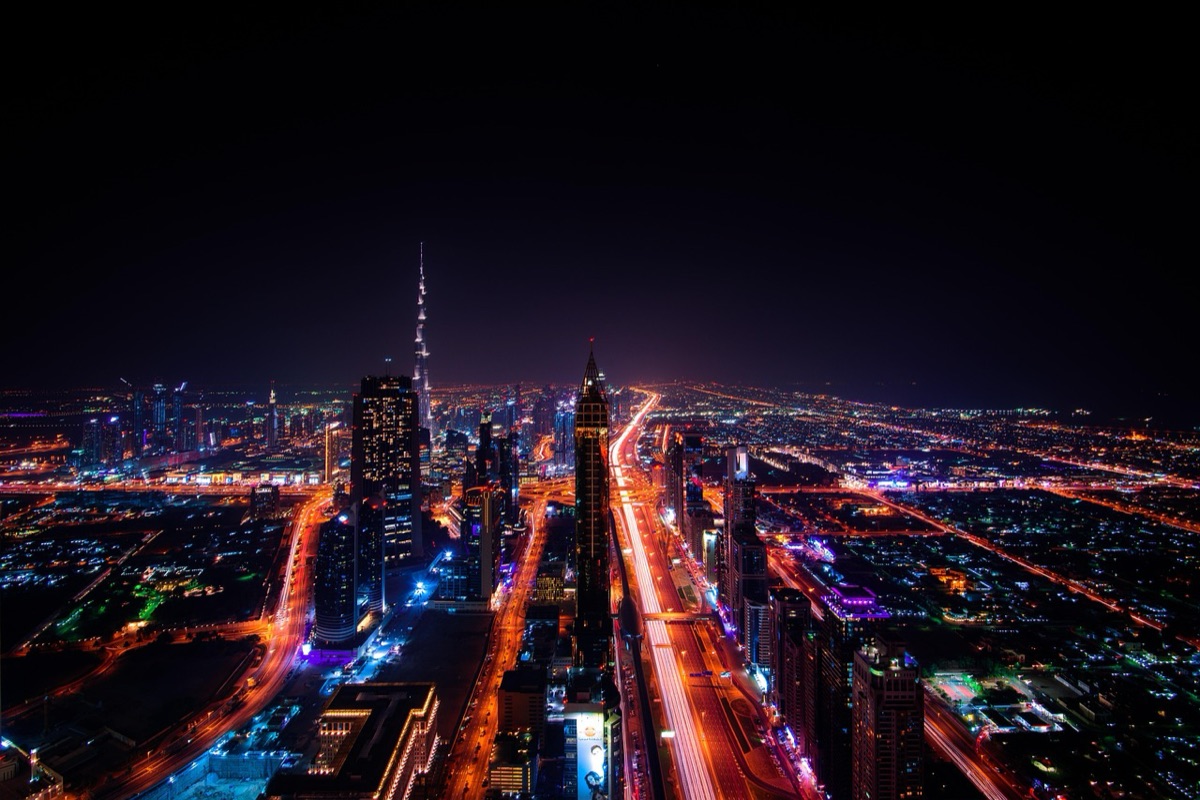
"The distance between a skyscraper in Jakarta and a rice paddy in Central Java is measured not in kilometers, but in the widening gap of economic opportunity."
Indonesia faces a complex struggle where rapid urbanization meets traditional agrarian life, creating two different worlds of hardship. While the nation's economy grows, the way poverty manifests in a bustling city is fundamentally different from how it persists in the countryside.
Key Takeaways * Poverty in Indonesia is geographically stratified, meaning the causes and solutions for urban and rural areas are not interchangeable.
* Historical data reveals massive shifts in population vulnerability, moving from massive-scale poverty in the late 90s to more localized structural gaps. * The transition from an agricultural-based economy to an industrial one creates "pockets of precarity" where traditional livelihoods vanish.
* Sustainable growth requires moving beyond national averages to address specific regional imbalances.

How has the scale of poverty in Indonesia evolved over time?
In the dim light of the Jakarta library, a researcher rubs tired eyes while thumbing through dusty archives as the low hum of traffic drifts through the window.
A researcher sits in a quiet library in Jakarta, flipping through decades of demographic reports while the sound of heavy traffic hums outside the window. According to UNICEF, half the world's children, or 1.1 billion, live in poverty.
The researcher pauses to adjust a desk lamp, looking at how the numbers on the page tell a story of massive demographic shifts and changing economic realities.
The scale of poverty in Indonesia has fluctuated significantly as the nation transitioned through different political and economic eras.
In February 1999, the country faced a massive crisis where as much as 47.97 million people were classified as poor, representing around 23% of the nation's population.
By the next decade, the numbers began to shift as the economy stabilized. Figures from March 2007 showed that 37.17 million people were under the poverty line, representing 20.58% of the entire population.
These shifts illustrate how much the "poverty line" is moving alongside the country's development. While the percentage of the population in poverty has generally trended downward compared to the late 90s, the absolute number of people facing vulnerability remains a massive policy challenge.
The transition from these massive historical figures to modern-day statistics reveals a deeper, more complex problem: the divide between where people live.
What is the structural difference between urban and rural poverty profiles?
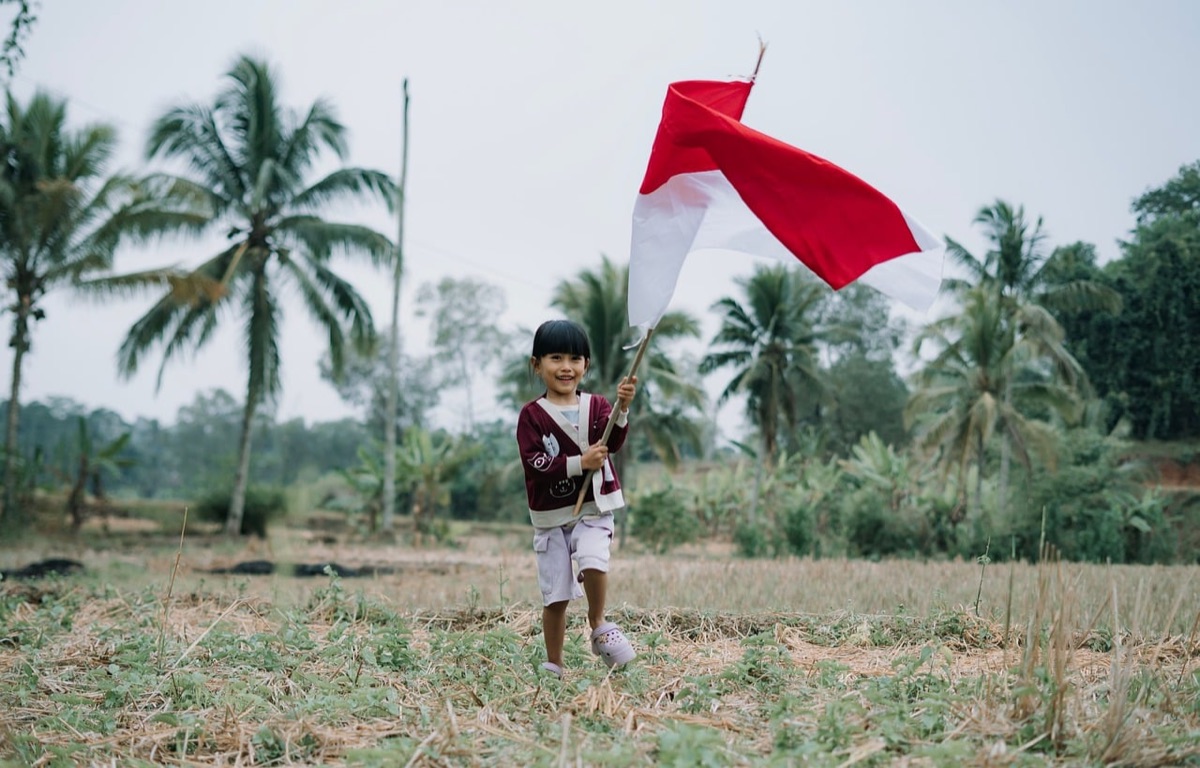
A farmer wipes sweat from his brow in a remote village, looking at a small plot of land that has sustained his family for generations. Meanwhile, miles away, a laborer in a crowded city apartment struggles to afford rising rent despite working two jobs.
The structural difference between urban and rural poverty is one of the most defining features of Indonesian inequality. In many developing nations, including Indonesia, the poverty rate in rural areas has historically been much higher than in urban centers.
The drivers of these two types of poverty are distinct. In rural areas, poverty is often tied to the land and the unpredictability of primary production.
According to World Bank data, Indonesia recorded an agricultural land share of 29.1% in 2023, showing that while the economy is diversifying, the connection to the land remains a massive part of the national identity and livelihood.
In cities, poverty is often driven by the cost of living, lack of formal employment, and the "urban poor" phenomenon where low-income workers live in precarious informal settlements.
| Feature | Rural Poverty Profile | Urban Poverty Profile |
|---|---|---|
| Primary Driver | Agricultural yields & land access | Cost of living & informal labor |
| Economic Base | Primary sector (farming/fishing) | Service and manufacturing sectors |
| Main Risk | Climate and crop failure | Inflation and housing instability |
| Infrastructure | Limited access to services | Overcrowding and sanitation issues |
Understanding these differences is crucial because a policy that helps a farmer might do nothing for a city dweller.
What shows how vulnerable Indonesia's poor are? A policy analyst stares at a spreadsheet, trying to reconcile the "official" poverty numbers with the reality of people living just slightly above the survival line. The analyst clicks a mouse, moving between tabs of data that define the moving target of human need.
Current indicators of vulnerability are often measured by how much income a person has relative to a set threshold.
In many international contexts, such as the standards used by the Organisation of Economic Cooperation and Development (OECD) and the European Union (EU), the main poverty line is based on "economic distance," which is a level of income set at 60% of the median household income.
In Indonesia, the vulnerability is often viewed through the lens of "extreme poverty." While the national poverty rate has seen improvements, the gap between those just above the line and those in absolute destitution remains a critical concern.
The vulnerability of the population is not just about the absolute number of people below the line, but how many people are "near-poor." These are individuals who are technically above the poverty line but lack the financial cushion to survive a single health crisis or natural disaster.
This precariousness is why moving the needle on poverty requires more than just moving people into the "middle class."
Which economic trends are driving this divide? A massive shipping container is hoisted onto a crane at a bustling port, symbolizing the shift toward global trade and industrialization. This movement represents the massive economic engine that is pulling some toward prosperity while leaving others behind.
The shift in Indonesia's economic structure is a primary driver of the urban-rural divide. As the country has moved toward manufacturing and services, the economic weight has shifted toward urban hubs.
The scale of the challenge is massive when viewed through a global lens. For instance, UNICEF estimates that half the world's children (or 1.1 billion) live in poverty, a statistic that underscores the human cost of economic inequality globally.
In Indonesia, the transition away from a purely agrarian economy toward an industrial one has created a mismatch. Workers in rural areas may lack the skills required for the new urban economy, leading to structural unemployment or low-wage informal work.
The mismatch between the traditional skills of the 29.1% of the population tied to agricultural land and the requirements of modern industry creates a "skills gap" that fuels regional inequality.
As the economy evolves, the policy response must be as dynamic as the changes themselves.
What are the policy and development challenges ahead?
A local community leader sits in a meeting hall, discussing how to distribute resources among families who are struggling to keep up with rising costs. The challenge is not just about the amount of money available, but how it is managed and directed.
The main poverty line used in the OECD and the European Union is based on "economic distance", a level of income set at 60% of the median household income.
The primary challenge moving forward is creating localized policy interventions. A "one-size-fits-all" approach will fail because the needs of a fisherman in Sulawesi are entirely different from those of a factory worker in West Java.
Whenever I look at these regional shifts, I am reminded that progress is rarely linear. It is easy to look at a single percentage and think the problem is solved, but the nuance lies in the transition.
To address these gaps, policymakers must follow a multidimensional strategy:
- Infrastructure Parity: Bridging the digital and physical divide between remote villages and urban centers.
- Skill Transition: Providing education and vocational training to help rural populations transition into new economic sectors.
- Social Safety Nets: Developing flexible welfare programs that account for both seasonal agricultural income and urban cost-of-living spikes.
- Land Reform: Addressing the management of agricultural land to ensure rural livelihoods remain sustainable.
The scale of potential resources is massive, but the management capacity must grow alongside it. If the government can successfully address the structural differences between the city and the village, the "poverty gap" may finally begin to close.
However, it is important to note that these strategies are not universal. Policies focused on industrial growth may inadvertently increase urban inequality, while heavy agricultural subsidies might not help the urban poor at all. Success depends on the delicate balance of regional needs.
FAQ
How is poverty measured in Indonesia? Indonesia uses a specific poverty line that accounts for the cost of basic food and non-food necessities.
While international bodies like the OECD use "economic distance" (60% of median income), Indonesia's metrics are often tailored to local purchasing power.
Why is rural poverty usually higher than urban poverty? Rural areas often lack the diverse job markets found in cities. Poverty in these regions is frequently tied to the volatility of agriculture, lack of infrastructure, and limited access to education and healthcare.
Does urbanization reduce poverty? Urbanization can reduce poverty by providing more jobs and higher wages, but it can also create "urban poverty" where low-income workers face much higher costs for housing and food, leading to new forms of vulnerability.
What is the role of agriculture in Indonesia's current economy? While the industrial sector is growing, agriculture remains a massive part of the economy. With an agricultural land share of 29.1% as of 2023, the livelihoods of millions are still directly tied to the land.





Comments 0