KF-X tech transfer issues: Guide to 20% funding agreement
"In July 2010, the Indonesian government agreed to fund 20% of the KF-X project cost in return for prototype 005 (designated IF-X), system development participation, technical data, and production sharing."
The KF-X tech transfer issues involve balancing high-cost development with the acquisition of specific technical assets and production rights. Solving these challenges requires navigating historical funding agreements and managing the complexities of shared system development.
Key takeaways include the importance of prototype ownership, the necessity of technical data access, and the strategic management of production-sharing agreements.
How do historical agreements shape the KF-X tech transfer issues?

A researcher sits at a wooden desk, looking over old defense contracts and digital maps of Southeast Asia. The history of the project is rooted in a specific financial commitment made over a decade ago.
In July 2010, the Indonesian government agreed to fund 20% of the KF-X project cost in return for prototype 005 (designated IF-X), system development participation, technical data, and production sharing. This specific arrangement was designed to secure more than just a finished aircraft.
By providing a significant portion of the initial funding, the goal was to ensure Indonesia gained meaningful participation in the development process and access to essential technical data.
The KF-X tech transfer strategy must account for these existing obligations. Since the 20% funding was tied to specific returns, any modern negotiation must respect the terms of prototype 005 and the promised production-sharing rights.
Can we use our manufacturing base for the KF-X strategy?
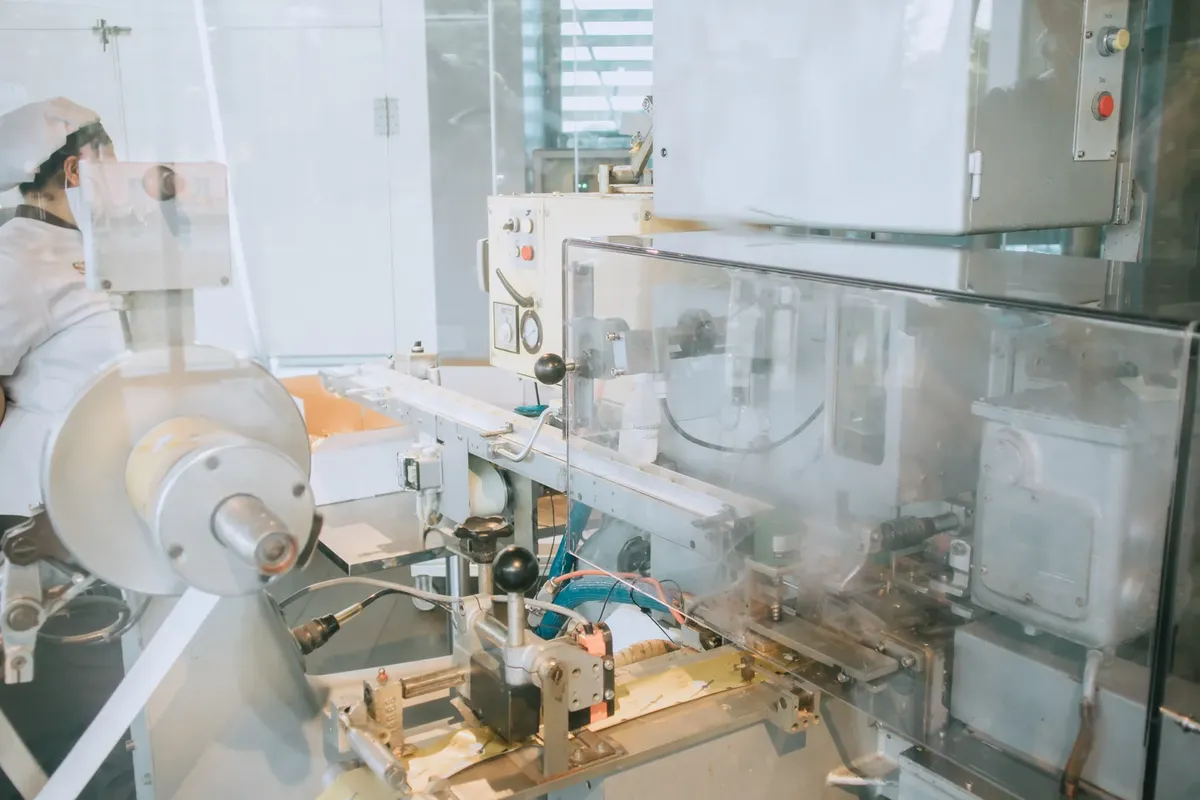
Inside the humming factory, the engineer runs a hand over the cold metal of a machine to prepare for the new tech. An engineer inspects a high-tech component in a modern manufacturing facility, checking the precision of the machinery. The transition from traditional manufacturing to aerospace technology requires a solid industrial foundation.
According to World Bank data, Indonesia recorded high-technology share of manufactured exports of 8.7% in 2024. This baseline represents the current industrial capacity available for advanced projects.

A successful KF-X tech transfer strategy would involve scaling this high-technology export share to meet the rigorous demands of fighter jet production. Building a domestic defense industry requires moving from general manufacturing to specialized aerospace engineering.
This growth depends on how technical data is integrated into local production lines.
How do we manage Indonesian defense cooperation? A diplomat meets with military officials in a quiet briefing room to discuss long-term procurement and industrial cooperation. The meeting focuses on how to align national interests with international partnerships.
Effective Indonesian defense cooperation requires a structured approach to integrate new technology into the national defense framework.
- Confirm the specific technical data and system development participation rights established in previous agreements. 2. Evaluate the current industrial capacity to absorb new production-sharing responsibilities. 3. Align the acquisition of prototypes, such as the IF-X, with long-term domestic production goals.
I noted that managing these steps requires a careful balance between immediate airframe needs and long-term industrial maturity.
A limitation exists because the 20% funding agreement was set in 2010, and current economic conditions or shifting defense budgets may affect how these terms are implemented.
What are the implications of the KF-X transfer challenges solutions?
A technician works on a flight simulator, testing the software that will eventually be integrated into a new aircraft. The focus is on the digital and software-based aspects of modern warfare.

Addressing the KF-X transfer challenges solutions requires looking beyond the physical airframe to the software and systems integration. The 2010 agreement specifically included system development participation, which is vital for modern combat aircraft.
The future of KF-X tech sharing depends on how well the technical data provided can be used to develop domestic software and electronic warfare capabilities. Without deep integration into the system development, the aircraft remains a mere purchase rather than a technological leap.
How can improving Indonesia KF-X deal lead to domestic growth?
A factory worker monitors a digital interface, overseeing the assembly of advanced components. The connection between defense technology and the broader economy is a central theme in national planning.
Improving Indonesia KF-X deal outcomes requires aligning the project with national economic goals. The involvement in system development and production sharing is intended to stimulate the domestic high-tech sector.
By mastering the production of advanced components, the local industry can expand its reach. This transition could bolster the high-technology share of manufactured exports. Success in this area turns a defense procurement into a catalyst for industrial modernization.
What is the future of KF-X tech sharing for the region?
A group of analysts reviews a series of economic and defense reports, discussing the geopolitical landscape. They look at how one nation's technological advancement affects regional stability.
The future of KF-X tech sharing will be defined by how well the partnership manages the transition from prototype to mass production. The agreement for prototype 005 remains a cornerstone of this technical journey.
As the technology matures, the focus will shift from initial acquisition to maintaining and upgrading a fleet. This requires a stable domestic industry capable of sustaining the aircraft throughout its lifecycle.
- How do historical agreements shape the KF-X tech transfer issues?
- Can Indonesia leverage its manufacturing base for the KF-X tech transfer strategy?
- What are the steps for managing Indonesian defense cooperation?
The subject here is KF-X tech transfer issues.
The same subject is also called Indonesia KF-X partnership.
The same subject is also called Solving KF-X transfer hurdles.
Related






Comments 0