Indonesia's Electoral Thresholds: Navigating Power Dynamics
"The pursuit of stability through high electoral thresholds often creates a pendulum swing between organized governance and political exclusion."
Indonesia’s democratic landscape is defined by a tension between complex procedural rules and the high stakes of political survival. As the nation navigates these shifts, understanding the mechanics of its electoral system is essential to grasping the friction within its halls of power.
Key Takeaways
* Structural Shifts: Recent electoral reforms have utilized high thresholds to consolidate political power, influencing who can run and who can serve. * Presidential Requirements: To secure a presidential nomination, candidates must command significant support through party endorsements or direct popular vote percentages. * Political Friction: The gap between winning seats and meeting parliamentary thresholds has led to historic shifts in party representation. * Coalition Dynamics: The necessity of building massive coalitions has become the primary driver of political strategy and stability.

How Has Indonesia's Electoral Framework Evolved?
A heavy silence often hangs in the halls of the DPR in Jakarta after election results are finalized, marking the moment when political realities shift. This silence reflects the weight of rules that dictate which parties survive and which fade into political irrelevance.
According to the Ministry of Finance, the budget for the entire election process was Rp 71.3 trillion, representing a 57 percent increase from the 2019 election's budget.
According to the General Election Supervisory Agency, a significant portion of the Rp 25 trillion budgeted for 2022–2023 election preparations was utilized by this body.
The framework governing Indonesian elections is designed to balance local representation with national stability. One of the most significant hurdles is the parliamentary threshold, which dictates whether a party can actually enter the national legislature.
For instance, in recent cycles, the United Development Party (PPP) lost its national parliamentary representation for the first time in its history because it fell short of the required 4% parliamentary threshold.
Beyond the legislature, the rules for executive power are even more stringent. To run as a presidential candidate, an individual must be formally endorsed by a political party or a coalition of parties that holds a minimum of 20 percent of the seats in the DPR.
Alternatively, a candidate can qualify if their party won at least 25 percent of the popular vote in the previous election. These rules ensure that only well-supported entities can vie for the presidency, but they also force smaller parties into uneasy alliances.
The complexity of these rules extends to how parties are established and maintained across various provinces and regencies, ensuring a presence that spans the vast archipelago.
The transition involved moving from a single-stage process to a complex system spanning 5 days of continuous voting. Legislative bodies now consist of 575 members across various provinces.
Election cycles occur every 5 years to ensure regular leadership turnover. Local administrative boundaries were redrawn into 514 regencies and cities to facilitate voting.
The total number of polling stations can reach over 800,000 nationwide. Voting booths are typically 1m x 1m in size to provide privacy.
Each ballot paper is printed in multiple colors to distinguish between different types of elections. But these logistical feats aren't the only challenge facing the nation.
How do I navigate the mechanics of a successful election? Under the dim glow of a desk lamp late at night, a strategist wipes sweat from their brow while tracing the jagged lines of a new electoral map.
A massive logistics team sits in a command center, staring at screens filled with tally sheets and maps of thousands of islands. They aren't just counting votes; they are managing one of the most expensive and complex administrative tasks in the world.
As reported by the General Elections Commission, over half of the Rp 25 trillion budgeted for 2022–2023 was used by the commission for election preparations.
Managing an election of this scale requires immense financial resources and oversight. The Ministry of Finance budgeted Rp 71.3 trillion for the entire election process, which represented a 57 percent increase from the 2019 election's budget.
Of the initial preparation funds, the Indonesian Government budgeted Rp 25 trillion for the 2022–23 period, with over half being utilized by the General Elections Commission (KPU) and much of the remainder used by the General Election Supervisory Agency.
Winning the presidency requires more than just a plurality; it requires a clear mandate. A candidate must secure a majority of the total votes and achieve a specific regional spread across the provinces to ensure national legitimacy.
If no candidate reaches these required levels in the first round, the system triggers a second-round runoff.
| Feature | Requirement / Detail |
|---|---|
| Presidential Nomination | 20% of DPR seats OR 25% of popular vote |
| Parliamentary Threshold | 4% minimum for national representation |
| Budget Growth | 57% increase compared to 2019 |
- Verify your registration status at the local polling station at least 2 weeks before election day.
- Collect all necessary identification documents, such as a national ID card, to present to officials.
- Locate your assigned polling booth and wait for your turn in the queue.
- Mark your choices clearly on the ballot paper using a single pen.
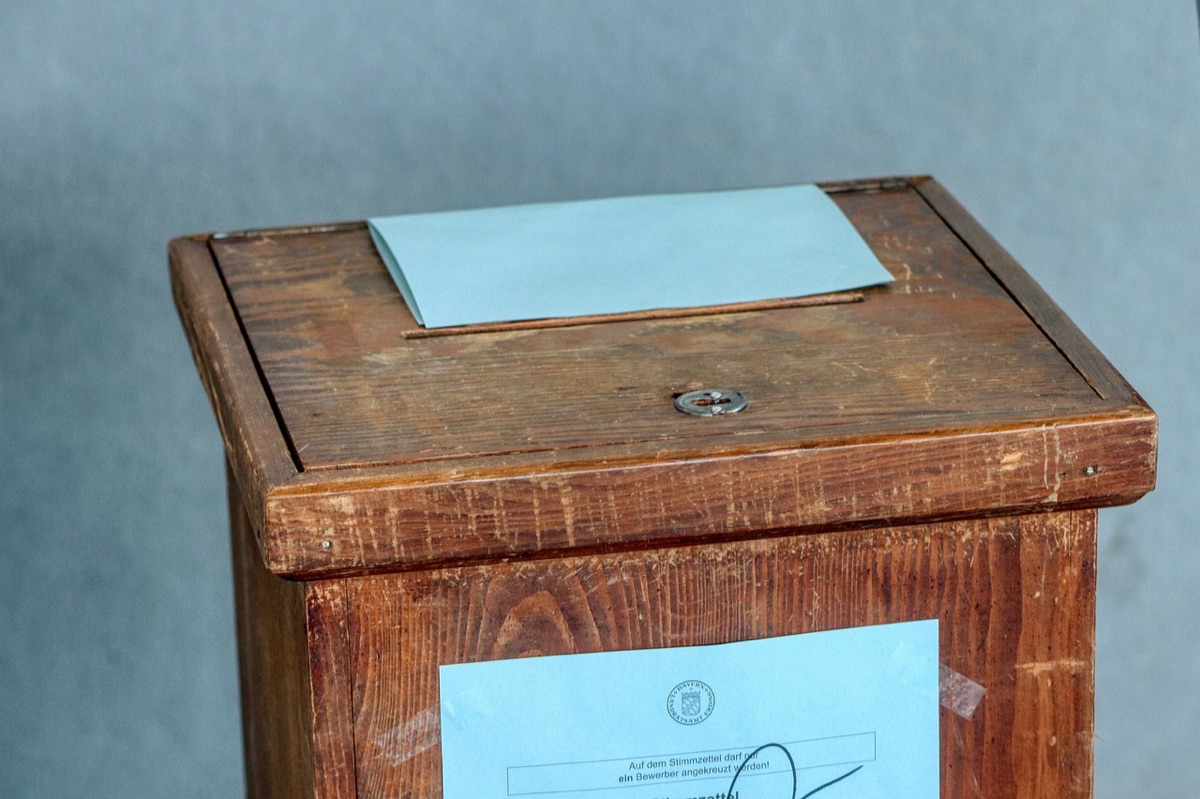
- Drop the folded ballot into the designated transparent box and collect your signed receipt.
However, these logistical steps are only the surface of a deeper political struggle.
What are the dynamics of political contestation? A political strategist paces a room, looking at aely a map where certain colors represent lost influence and others represent growing power. The tension in the room comes from the realization that the rules have fundamentally changed the players on the field.
The Ministry of Finance budgeted Rp 71.3 trillion for the whole election process, representing a 57 percent increase from the 2019 election's budget.
The thresholds and mechanics aren't just administrative hurdles; they are tools of political competition. While these rules aim to prevent extreme fragmentation in the legislature, they also create high-stakes friction.
When a party fails to meet the 4% threshold, it doesn't just lose influence—it can lose its seat at the national table entirely.
This creates a tension between party-level success and individual candidate success. While a candidate might be personally popular, if their party lacks the required seat percentage, their path to the presidency is blocked.
This reality forces political actors to prioritize party strength and coalition-building over individual popularity.
Furthermore, the implementation of gender quotas and other representation requirements adds another layer of complexity. Parties must balance the need for diverse candidates with the strategic necessity of fielding individuals who can command the required percentages to keep the party viable.
Campaigning often involves rallies where crowds of 2,000 to 5,000 people gather in town squares. Candidates frequently travel between 3 to 5 different provinces in a single week.
Political posters are often placed on 10-foot tall bamboo poles along main roads. During peak seasons, the cost of local campaign materials can range from $500 to $2,000 per district.
Debates are often scheduled for 90 to 120 minutes to cover all policy platforms. Volunteers often work in shifts of 8 to 12 hours to manage logistics.
Election day heat can reach 34°C, requiring careful planning for outdoor activities. But how do these rules affect the way leaders interact behind closed doors?
The Role of Parties and Coalitions
Two leaders shake hands in front of a crowd, their smiles masking the intense negotiations required to form their alliance. In this moment, the survival of their respective political parties depends on the success of this single partnership.
In the modern Indonesian landscape, political parties are no longer just ideological groups; they are essential components of a power-sharing mechanism. Because of the stringent requirements for presidential candidacy, no single party can easily act alone.
This makes coalition-building the most critical skill in Indonesian politics.
The outcomes of elections directly impact party survival. In recent cycles, the distribution of power has seen significant shifts. For example, Golkar gained the most seats, solidifying its position, while other established parties faced existential threats due to the threshold rules.
These outcomes dictate the future of political influence. A party that fails to secure enough seats to participate in presidential coalitions becomes marginalized, often leading to a cycle where they must either merge with larger entities or face gradual decline.
This power dynamic shapes every legislative debate and every executive decision.






Comments 0