How did inflation affect the daily lives of citizens?
"The price index at the end of 1965 had been calculated at 363 times higher than in 1958, and prices had risen approximately seven times over the previous 12 months."
The 1965 rupiah redenomination was a response to extreme economic instability and hyperinflation that threatened the nation's financial foundation. This transition sought to simplify transactions as banknote denominations grew rapidly to keep pace with soaring costs.
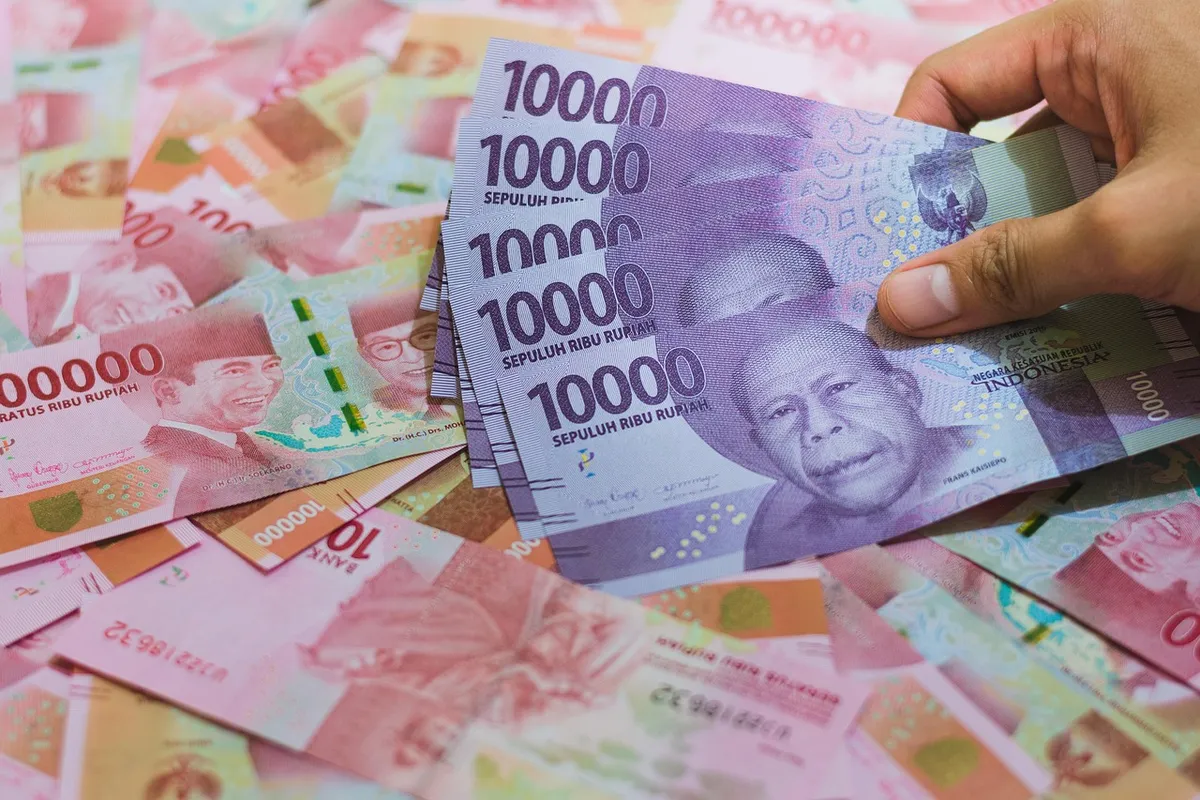
Key takeaways include the staggering rise in inflation, the practical necessity of managing large-scale denominations, and the historical context of political upheaval.
Why was the rupiah redenominated in 1965?
At a dusty wooden desk, an official gripped a massive stack of colorful notes, feeling the heavy weight of sudden inflation. An official gripped a heavy stack of banknotes at his desk, feeling the weight of a sudden surge in inflation.
An official sits at a wooden desk, staring at a stack of increasingly large banknotes that feel increasingly meaningless. The necessity for a rep enough to manage the currency became clear as the value of the rupiah plummeted.
By 1965, inflation had reached a staggering 600%, according to historical records. This hyperinflationary environment meant that the largest denomination banknote had increased 100-fold from its 1959 level of 100 rupiah to 10,000 rupiah by August 1964.
Such rapid devaluation made daily commerce difficult and required a fundamental structural change to the currency.
How did inflation affect the daily lives of citizens? 1965 rupiah redenomination
A shopper walks through a crowded market, clutching handfuls of paper notes to purchase basic necessities. The purchasing power of the money vanished almost as quickly as it was earned. According to World Bank data, Indonesia recorded inflation (consumer prices) of 1.9% in 2025.
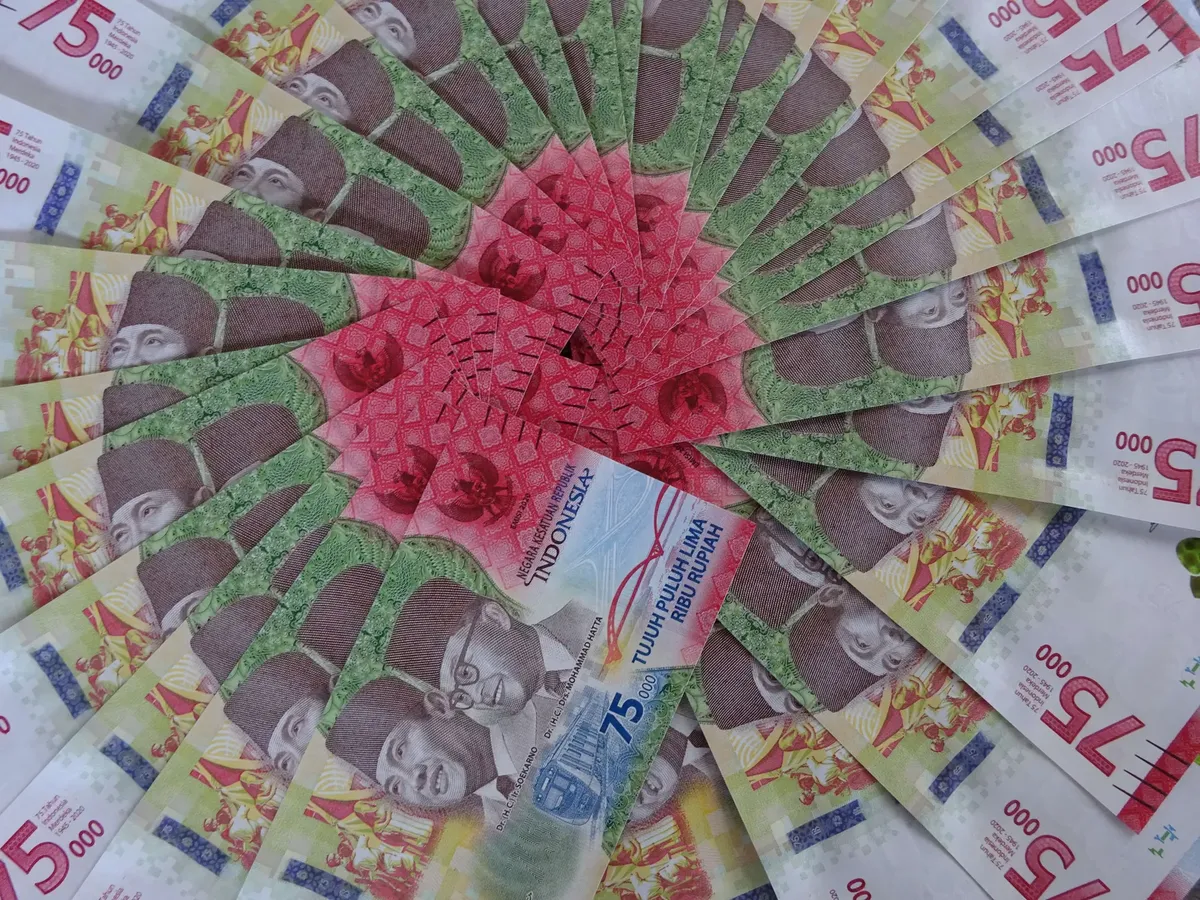
The price index at the end of 1965 was calculated at 363 times higher than it was in 1958. During the 12 months leading up to the end of 1965, prices had risen approximately seven times.
This massive shift in value necessitated a way to manage the widening gap between nominal currency values and actual goods.
How exactly did the currency change work? A bank clerk prepares new ledgers to account for the transition from old values to new ones. The technical process of redenomination required precise mathematical adjustments to prevent total economic collapse.
The transition involved a specific ratio to reconcile the old notes with the new system. Although the devaluation in notes was 1,000 to 1, prices were reckoned to fall by only 10 times. This adjustment aimed to stabilize the physical handling of money while addressing the massive inflation.
| Feature | 1959 Denomination | 1964 Denomination |
|---|---|---|
| Largest Note Value | 100 rupiah | 10,000 rupiah |
I remember reviewing these historical shifts and noting how the scale of the numbers changed so quickly.
How did previous devaluations shape this period?

An economist traces a line on a graph, watching the steep descent of the currency's value. Earlier decisions created the momentum that led to the 1965 crisis.
In 1959, the official exchange rate was devalued by 75% from 11.4 to 45 to the US$ on August 1. Additionally, the 500 Rp and 1000 Rp notes were devalued 90% on 24 August 1959 to 50 and 100 Rp. These earlier adjustments set the stage for the even more radical shifts required by 1965.
What were the limitations of the redenomination?
A citizen holds a new note, wondering if the change will actually stabilize the cost of bread. Even with new numbers, the underlying economic pressures remained heavy. According to ECOS, the real economic growth rate was 0.6% as of 2026Q2.
The 1,000 to 1 devaluation in notes did not result in an equal drop in the cost of living, as prices were reckoned to fall by only 10 times. This mismatch meant that while the numbers on the notes became smaller, the actual economic burden remained significant.
Wikipedia: Economic history of Indonesia (full) Based on the retained excerpt mentioning IMF: The $512-billion-economy expanded 4.4% in the first quarter from a year earlier, and in the previous month, the IMF revised its 2009 forecast for the country to 3-4% from 2.5%.
- Why was the rupiah redenominated in 1965?
- How did inflation affect the daily lives of citizens?
- How exactly did the currency change work?
The same subject is also called Indonesian currency change 1965.
The same subject is also called Rupiah redenomination political.
The same subject is also called Economic impact 1965 Indonesia.
The same subject is also called Currency reform Indonesia 1965.
This part also covers Political turmoil and rupiah value.
This part also covers Redenomination context 1965 economy.
This part also covers Impact of currency change Indonesia.
Political turmoil and rupiah value
Related
- Rupiah hyperinflation history: Why currency faced volatility
- Indonesian aviation tech leap tips for specialized aircraft
How did the price index relate to the 1958 baseline?
The price index at the end of 1965 was 363 times higher than the 1958 level. This comparison shows how the value of the currency changed relative to the earlier period.
- Compare the 1958 baseline to the 1965 end-of-year calculation. 2. Observe the seven-fold rise in prices during the final 12 months of 1965.
What was the relationship between the note devaluation and the price index?
The 1,000 to 1 devaluation in notes was not proportional to the 10-fold drop in prices. This condition created a gap between the physical currency and the actual cost of goods.
If the 1,000 to 1 devaluation had matched the price index exactly, the numbers on the notes would have aligned with the cost of living. Instead, the 10-fold price reduction was much smaller than the 1,000 to 1 note adjustment.
How did the price index reflect the currency's decline? The price index demonstrated the severe erosion of purchasing power throughout the period. The calculation showed the price index at the end of 1965 was 363 times higher than the 1958 level. This comparison highlights the dramatic increase in the cost of goods relative to the earlier baseline.
- Consider the 1958 baseline against the 1965 end-of-year price index calculation. 2. Note the approximation of seven times the price rise over the preceding 12 months.
What was the practical implication of the note devaluation versus the price index? This disparity between the note devaluation and the actual price index change created economic friction. The 1,000 to 1 devaluation in notes did not correspond to the 10-fold drop in prices. This condition meant the nominal currency adjustment did not perfectly mirror the real inflation reflected in the price index.
If the note devaluation had matched the price index precisely, the physical currency would have better represented the cost of living. Instead, the reduction in the price index was significantly less than the adjustment made to the banknote denominations.








Comments 0