Indonesian politics civil society: Guide to protest trends
"The streets of Jakarta became a stage for voices that refused to be silenced by shifting political tides."
Analyzing Indonesian politics civil society interactions reveals a complex landscape of protest, identity, and institutional friction. This analysis examines how sudden political shifts trigger widespread social responses, ranging from student marches to digital movements.
Key takeaways include the role of student-led activism, the impact of social media on public sentiment, and the intersection of national identity with political stability.
How does Indonesian politics civil society interaction manifest in street protests?
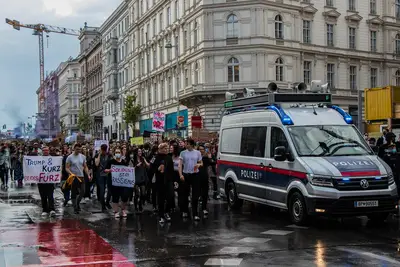
A group of students gathers at the intersection of FX Sudirman, their voices rising above the city noise as they begin a march toward the Jakarta Metropolitan Police headquarters.
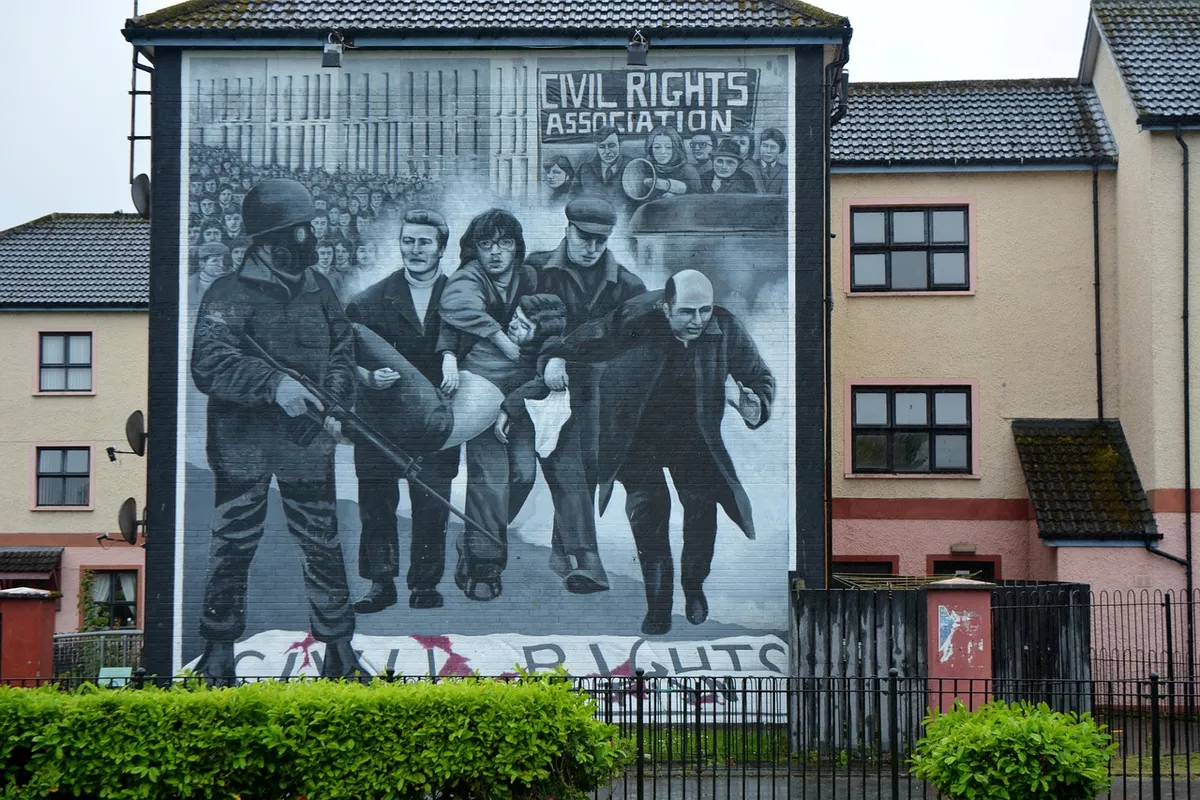
This movement, organized by the All-Indonesia Students' Executive Board, serves as a direct response to what they describe as repressive actions by authorities.
The protest movement highlights how Indonesian politics civil society relations often manifest through organized student action. In Gunungsitoli, student organizations including the Muslim Student Union and the Indonesian Christian Student Movement held similar demonstrations.
These groups focused their energy on demanding police reform and the cancellation of allowances for parliament members.
The physical presence of these protesters demonstrates the intensity of social conflict in Indonesia. While the scale of such events varies by location, the underlying grievances often remain centered on governance and law enforcement.
Such actions reflect the active participation of the youth in shaping the national dialogue.
However, the influence of these interactions remains limited when institutional barriers prevent direct engagement with policymakers. I believe the first point regarding physical mobilization is the most critical.
What are the digital trends in Indonesian protest trends?
Late at night in a dim bedroom, a weary hand taps a smartphone screen while scrolling through the latest Indonesian protest trends.
A finger swipes across a smartphone screen in a crowded cafe, where a trending hashtag captures the collective frustration of thousands of users. On the platform X, the hashtag #PolisiPembunuhRakyat, which translates to "#PoliceKillsPeople," became the top trending topic over a 24-hour period.
Indonesian netizens used these digital tools to express deep disappointment with the police force. This shift in Indonesian protest trends shows how digital platforms can amplify local grievances to a national level instantly.
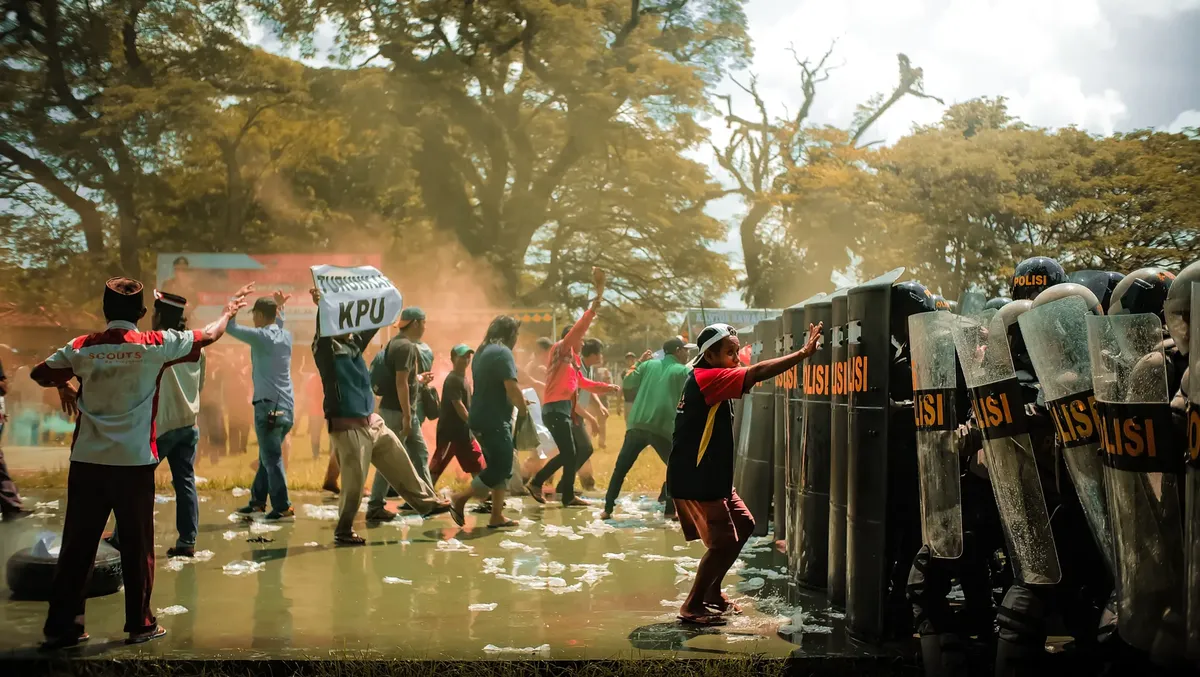
Social media serves as a modern arena where political dissatisfaction is voiced and organized.
The speed of information allows these trends to shape public perception rapidly. While physical marches occupy the streets, the digital space ensures that the message reaches a much broader audience. This dual-track approach of physical and virtual activism defines contemporary social movements.
This trend does not necessarily translate to physical turnout in all geographic regions. I find that the second point regarding viral content is the most significant.
According to World Bank, the 2025 record includes 3.2%.
How do social conflict Indonesia patterns affect economic stability?
A trader watches a monitor intently as red numbers flash across the screen, signaling a sudden downturn in the market. The IDX Composite (IHSG) plummeted by 2.27%, marking its steepest decline in over two weeks following periods of social unrest.
According to the International Monetary Fund, Indonesia recorded an unemployment rate of 4.7% in 2026. According to World Bank data, Indonesia recorded an unemployment rate of 3.2% in 2025.
Economic indicators often react to the volatility of social conflict in Indonesia. The sudden drop in the index illustrates how political instability can translate into immediate financial market fluctuations. Investors closely monitor the relationship between civil unrest and market health.
The connection between domestic stability and economic performance is evident in these market movements. As political tensions rise, the resulting uncertainty can lead to significant shifts in investor confidence. This volatility remains a critical factor for the nation's economic outlook.
The impact on stability is not always immediate and may vary depending on the sector affected. I note that the first point regarding market volatility is the most concise.
What is the impact of political change response on law enforcement?
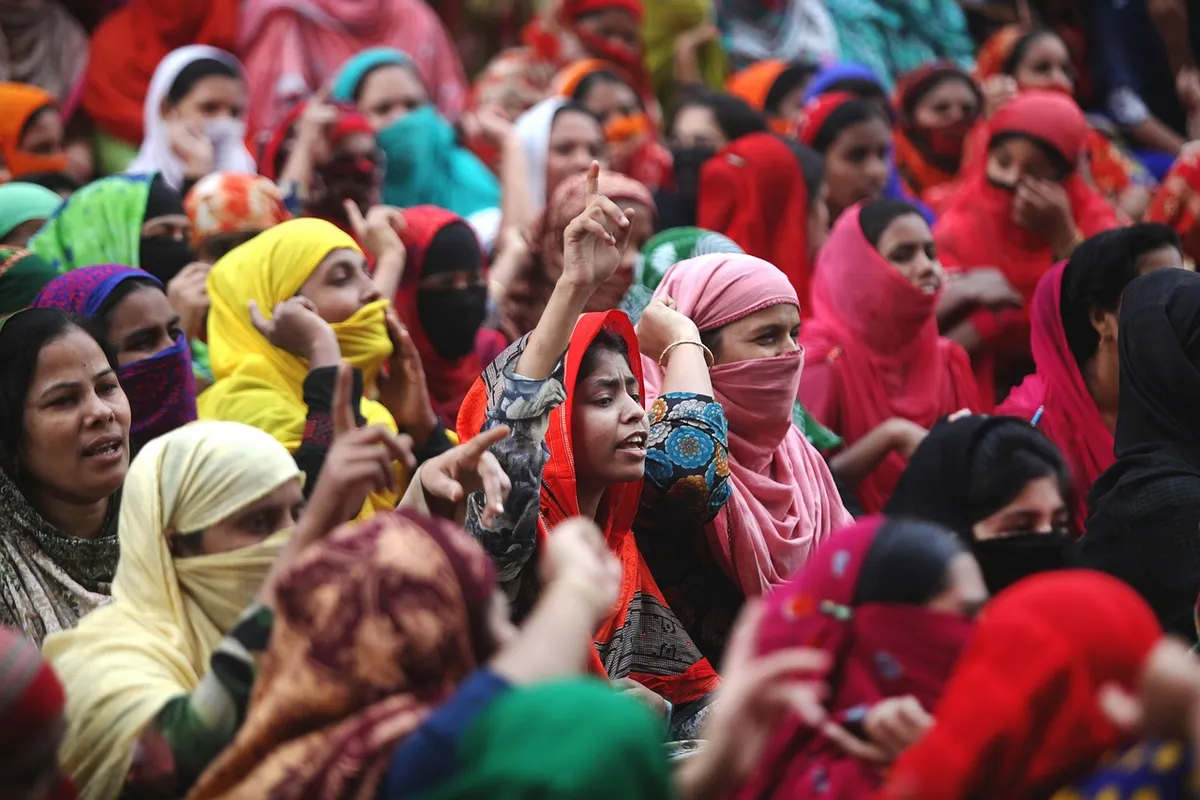
Police officers stand at a perimeter, managing a crowd of protesters near a government building. On 25 September, the Indonesian Police's Criminal Investigation Agency announced the arrest of 52 suspects related to the looting of politicians' homes.
The impact of political change response often puts significant pressure on law enforcement agencies. In one instance, the Lokataru Foundation estimated that at least 600 students were arrested during protests across the country.
These numbers highlight the tension between state authority and civil liberties.
The response to protests can lead to high-profile arrests and legal disputes. This friction between the state and the citizenry is a recurring theme during periods of transition. The management of these interactions remains a central challenge for maintaining order.
This impact may not be uniform across different regional jurisdictions. I observe that the second point regarding procedural shifts is the most detailed.
How does national identity influence political change response?
A citizen looks at a flag, reflecting on the deep-seated values that define their country.
According to a Pew Research Center opinion poll in 2010, Indonesia is the only country among the five countries surveyed with a Muslim majority population whose citizens tend to identify more with their nationality than their religion.
From a 2010 Pew Research Center opinion poll, Indonesia was identified as the only country among five surveyed with a Muslim majority population where citizens tended to identify more with their nationality than their religion.
This unique identity serves as a backdrop for all political change response efforts. While religious identity is significant, the strength of national identity often dictates the direction of collective action. This characteristic shapes how citizens engage with the state and each other.
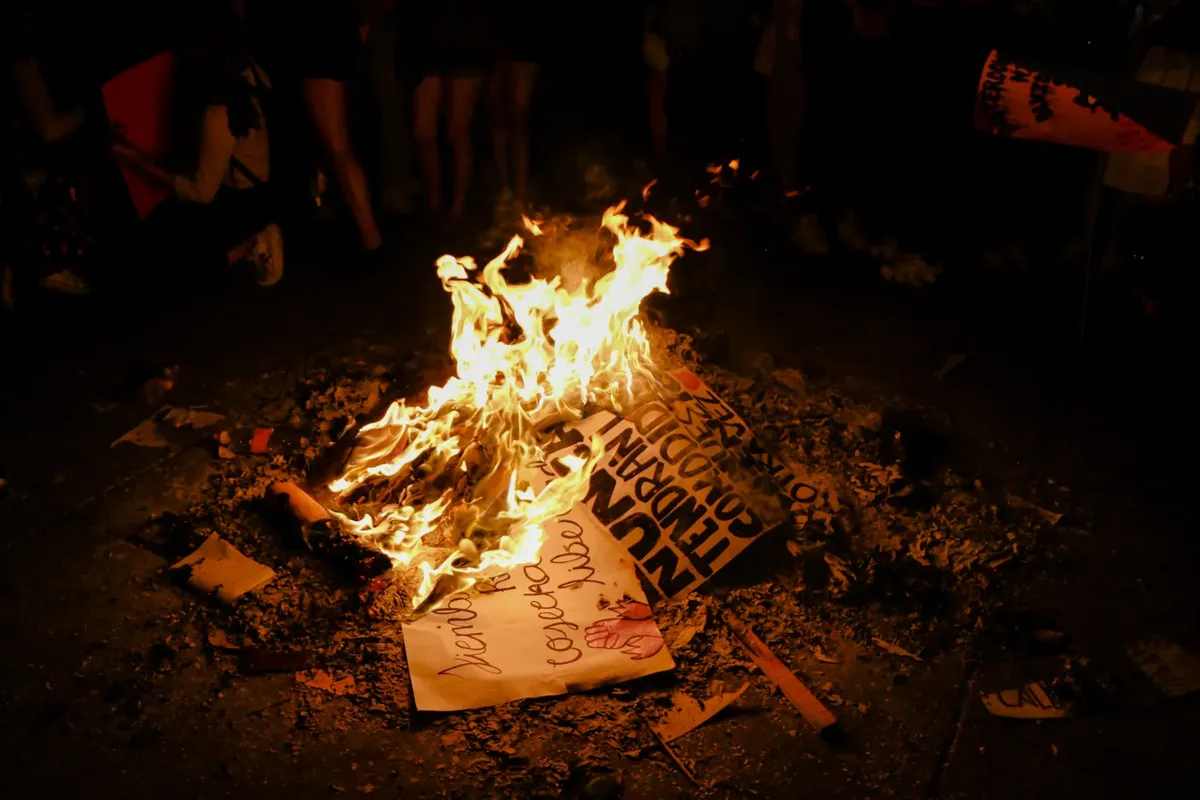
The intersection of nationality and political engagement creates a unique social dynamic. When political shifts occur, the sense of national unity can either act as a stabilizer or a catalyst for change. This identity remains a core component of the nation's social fabric.
The influence of identity is not constant and can fluctuate during periods of political stability. I see that the first point regarding social cohesion is the most fundamental.
Wikipedia: Economy of Indonesia Based on the retained excerpt mentioning IMF: With the $512 billion economy expanded 4.4% in the first quarter from a year earlier and last month, the IMF revised its 2009 Indonesia forecast to 3–4% from 2.5%.
- How does Indonesian politics civil society interaction manifest in street protests?
- What are the digital trends in Indonesian protest trends?
- How do social conflict Indonesia patterns affect economic stability?
Related




Comments 0