Indonesia Tourism: 17,000 Islands Drive Global Growth
"Indonesia is transforming from a regional destination into a global tourism powerhouse, fueled by its unique archipelago, deep cultural assets, and accelerating infrastructure maturity."
Indonesia's tourism sector is no longer just a local attraction; it has become a cornerstone of the national economy. From the bustling streets of Jakarta to the pristine shores of Bali, the industry is reshaping the country's economic landscape.
* The sector historically contributes significantly to the national GDP and supports a large portion of the workforce. * The vast archipelago, consisting of over 17,000 islands, provides a diverse range of natural and cultural assets. * Recent data shows a clear trajectory of recovery and growth in international arrivals. * Key urban hubs and specific regional destinations are leading the charge in visitor numbers.

What's driving Indonesia's tourism boom? A traveler stands on a balcony in Bali, looking out over a lush green valley as the morning mist rolls in from the Indian Ocean. The warmth of the tropical air is immediate, a sensory reminder of why this archipelago remains a top-tier global destination.
The fundamental driver of this boom is the sheer scale of the geography. With 17,508 islands, Indonesia offers a variety of environments that few other nations can match. This vastness allows for a diverse range of tourism products, from high-end luxury resorts to rugged adventure trekking.
The primary draw remains the combination of tropical climates and extreme biodiversity. Massive rainforest coverage and some of the world's most diverse marine life provide a constant pull for both leisure and eco-tourism travelers.
While many visitors arrive for pure holiday purposes, there is a growing segment of business travelers attracted to the expanding urban centers.
The high-value nature of these visits is evident in the length of stay. Unlike short-haul regional trips, visitors to Indonesia often stay for extended periods to explore multiple islands, resulting in significant foreign exchange gains for the local economy.
But why does this growth translate so directly into national wealth?
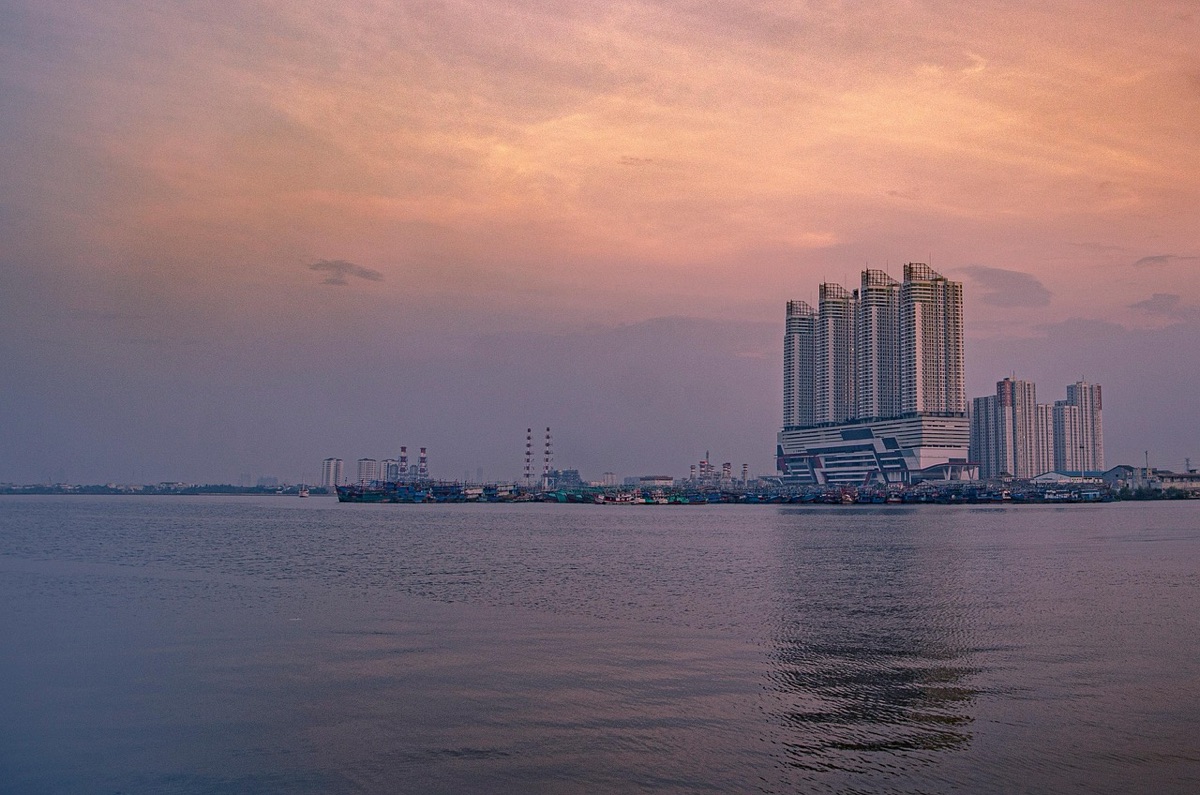
How has the sector contributed to the national economy?
A local entrepreneur opens a small boutique hotel in a coastal town, checking the ledger to see how the influx of visitors has changed their year-over-year revenue. For many families, tourism is the primary engine of upward mobility.
The economic footprint of this industry has historically been profound. In 2012, according to the World Travel & Tourism Council, travel and tourism made a total contribution of 8.9% of GDP and supported 8% of total employment in Indonesia.
This demonstrates how deeply the sector is woven into the social fabric of the country.
While the industry faced massive hurdles in recent years, the data shows the scale of the challenge and the subsequent recovery efforts. For example, according to World Bank data, Indonesia recorded international tourist arrivals of 4,053,000 in 2020.
This figure reflects a period of extreme volatility in global travel.
The economic context of the nation also provides a backdrop for tourism development. According to World Bank data, Indonesia recorded GDP per capita of US$5,060 in 2025. As the national economy evolves, the infrastructure required to support growing tourism numbers continues to expand.
However, the growth is not happening everywhere at once.
Which cities are leading the growth? A businessman walks through the sleek, air-conditioned terminal of Soekarno–Hatta International Airport, checking his flight status on a smartphone. The transition from traditional landscapes to modern transit hubs is a hallmark of the country's growth.
Growth is not distributed evenly across the archipelago; certain hubs act as much more powerful engines than others. Cities like Denpasar serve as the primary gateway for the massive influx of visitors to Bali, while Jakarta remains the indispensable hub for business and international transit.
In recent years, specific regions have shown much higher growth rates than the national average. While Bali remains the crown jewel, secondary hubs like Batam have leveraged their proximity to Singapore to capture significant transit and leisure traffic.
The following table illustrates the general distribution of tourism focus within the country:
| Destination Type | Primary Driver | Typical Visitor Profile |
|---|---|---|
| Island Hubs (e.g., Bali) | Natural Beauty & Culture | Leisure & Honeymooners |
| Major Cities (e.g., Jakarta) | Business & Transit | Professionals & Families |
| Emerging Hubs (e.g., Batam) | Proximity & Connectivity | Short-stay & Weekend Travelers |
| Eco-Destinations (e.g., Raja Ampat) | Biodiversity & Diving | Adventure Seekers & Researchers |
The concentration of resources in these key cities often accelerates their growth, creating a cycle of improved infrastructure and increased visitor capacity. But there is more to the story than just city skylines.

Beyond the Beach: The Unique Draw of Indonesian Ecosystems
A diver descends into the crystal-clear blue water, the silence of the ocean replaced by the rhythmic sound of breathing through a regulator. Beneath the surface, a vibrant world of color awaits.
While many associate tourism with sun and sand, the marine biodiversity of Indonesia offers a much deeper appeal. The country sits within the Coral Triangle, the global center of marine biodiversity. This makes it a premier destination for divers and marine biologists.
Specific locations like Bunaken or Raja Ampat attract a niche but highly dedicated group of travelers. These visitors often stay longer and spend more on specialized equipment and guided tours, contributing to a high-value tourism model.
The diversity of these ecosystems ensures that the tourism industry is not reliant on a single type of attraction. From the volcanic mountains of Java to the deep-sea trenches of the eastern islands, the variety of "natural products" keeps the market resilient.
Yet, staying ahead of global shifts requires more than just beautiful scenery.
Navigating Global Tourism Shifts: Context and Recovery
A traveler looks at a news headline on a tablet regarding global travel restrictions, reflecting on how much the world of movement has changed in recent years. The volatility of global events remains a constant factor for the industry.
The tourism sector is highly sensitive to global shifts. The industry faced a catastrophic period during the global health crisis of 2020.
The World Tourism Organization (WTO) reported a 70% decrease in international travel in 2020, where 165 of 217 worldwide destinations completely stopped or significantly reduced operations.
The impact of such disruptions is measurable in trillions of dollars. The United Nations World Tourism Organization estimated that global international tourist arrivals might have decreased by 58% to 78% in 2020, leading to a potential loss of US$0.9–1.2 trillion in international tourism receipts.
Despite these massive setbacks, the recovery trajectory has been a testament to the resilience of the Indonesian tourism model. As global travel stabilized, the demand for diverse, nature-based destinations surged, placing Indonesia in a strong position to capture rebounding market share.
How to Plan an Indonesian Journey
If you are planning to experience this archipelago, follow these steps to maximize your engagement with the local culture and geography:
- Select your primary hub: Choose between a major city like Jakarta for business/connectivity or an island hub like Bali for leisure.
- Layer your itinerary: Do not stick to one location. Use the vastness of the 17,508 islands to move from urban centers to remote eco-destinations.
- Prepare for seasonal shifts: Check local weather patterns, as tropical climates vary significantly between the wet and dry seasons across different islands.
- Budget for diversity: Allocate funds for both high-end urban stays and specialized adventure gear if visiting remote marine sites.
Limitations and Trade-offs
It is important to note that the rapid expansion of tourism can lead to environmental pressures and localized inflation. In highly popular areas, the cost of living for locals can rise, and the delicate balance of marine and rainforest ecosystems requires careful management.
The benefits of economic growth must be weighed against the necessity of sustainable preservation.
#





Comments 0