Indonesia Economy: 5 Key Trends Shaping Southeast Asia
Navigating the shifting tides of Southeast Asia's largest economy requires looking past the headlines to see the structural changes beneath.
Indonesia is currently navigating a high-stakes period of political transition and economic recalibration that directly impacts global supply chains. As the new administration solidifies its policy framework, investors are watching central bank signals and resource nationalism trends to gauge market stability.
* Political Volatility: A leadership shift is testing how effectively new policies pass through a divided parliament. * Monetary Shifts: Bank Indonesia's stance on interest rates remains the primary driver for Rupiah stability. * Industrial Evolution: The nation is pivoting from raw resource exports to high-tech manufacturing, specifically in EV batteries. * Digital Acceleration: A surge in fintech and e-commerce is reshaping the domestic consumer landscape.

Why Is Indonesia's Political Landscape Shifting Right Now?
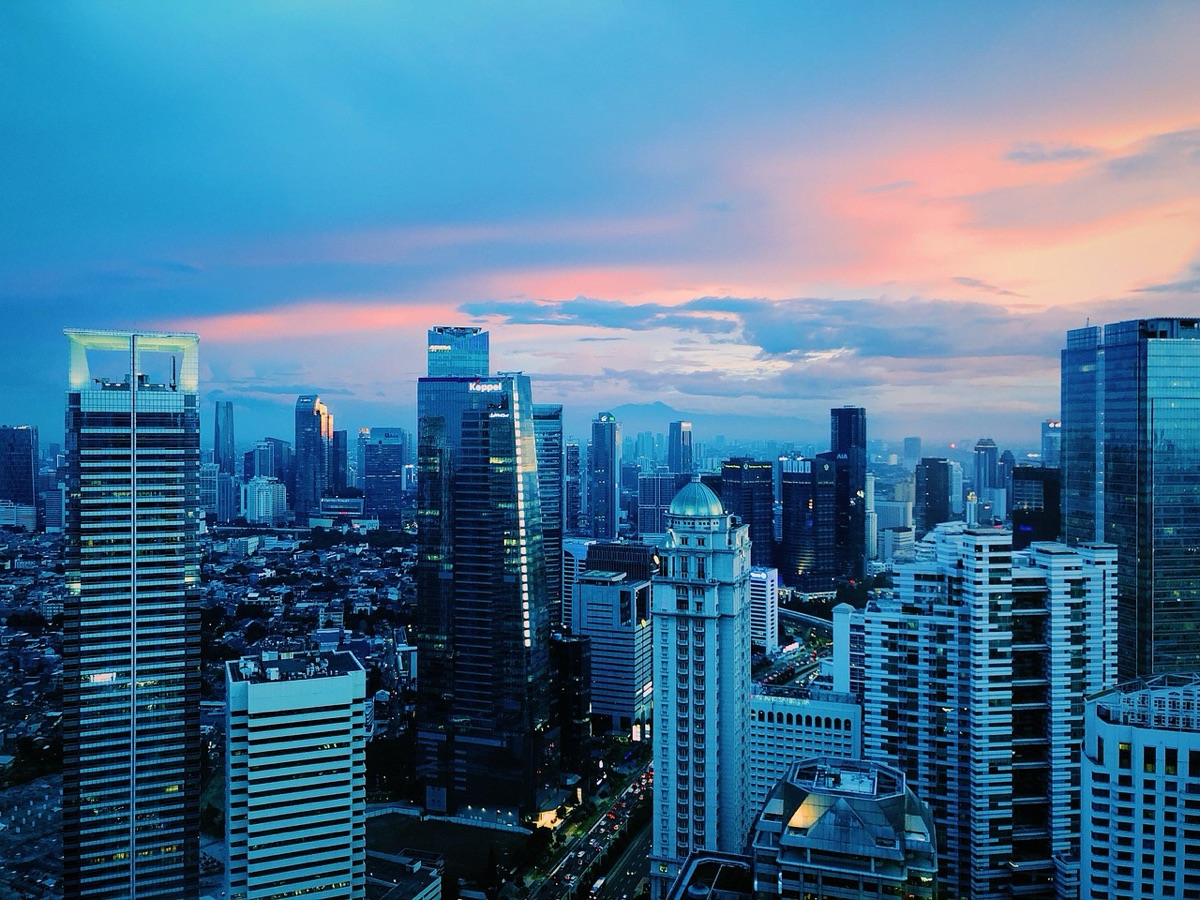
The current political climate in Jakarta is defined by a struggle between old-guard continuity and new-administration reform. We are seeing a significant reshuffling of key ministerial roles, which serves as a litmus test for how the government executes its ambitious mandates.
According to the Indonesian Ministry of Finance's 2026 Budget Outlook, the government has allocated over IDR 400 trillion to support massive infrastructure projects and social safety nets. This spending is designed to maintain momentum during the leadership transition.
For an American investor or business traveler, "political stability" is a moving target. Every major policy announcement or parliamentary deadlock has an immediate ripple effect on Foreign Direct Investment (FDI) flows and the strength of the Rupiah.
How Are Interest Rates Impacting the Indonesian Economy?
Economic focus has centered heavily on Bank Indonesia's (BI) monetary policy decisions. With global inflationary pressures still lingering in mid-2026, the central bank is walking a tightrope between supporting growth and defending the currency.
According to Bank Indonesia's 2026 Monetary Policy Report, the central bank maintained its benchmark interest rate at 6.25% to stabilize the Rupiah against a strengthening US Dollar. This decision aims to curb capital outflows during periods of global volatility.
| Economic Indicator | Current Trend | Market Impact |
|---|---|---|
| Rupiah (IDR) Rate | Increased Volatility | Puts pressure on import costs |
| Foreign Investment | Concentrated in EV | Key driver of supply chain shifts |
| Consumer Price Index | Moderate Upward Trend | Main variable for rate hikes |
I remember sitting in a cafe near Jakarta's Sudirman Central Business District last Tuesday, listening to a local analyst. He told me, "The market isn't just looking at the numbers anymore; they are hungry for predictability."
That sentiment captures the current mood: certainty is currently more valuable than growth itself. I watched as traders on their phones reacted instantly to every minor fluctuation in the midday exchange rate.

Is Indonesia Becoming a Global Tech and Manufacturing Hub?
Indonesia is making a calculated move to transition from a commodity-based economy to a high-tech manufacturing powerhouse. The centerpiece is the integration of the Electric Vehicle (EV) battery supply chain, leveraging massive nickel reserves.
According to the Indonesian Central Bureau of Statistics (BPS) 2025 Annual Report, the manufacturing sector's contribution to GDP grew by 4.8% as domestic processing facilities came online. This shift highlights the success of "downstreaming" policies.
However, this rapid industrialization isn't without its hurdles. There is a growing debate regarding the "skills gap" in the local workforce and the urgent need for robust data security regulations as the digital economy expands.
The 3-Step Path to Indonesia's Industrial Transformation: 1. Resource Control: Implementing strict export bans on raw ores to force domestic processing. 2. Infrastructure Investment: Building specialized industrial parks designed specifically for high-tech manufacturing. 3. Digital Integration: Scaling fintech and digital payment systems (like QRIS) to bring the unbanked population into the formal economy.
What Are the Social and Cultural Shifts to Watch?
Beyond the boardrooms, Indonesia is grappling with the growing pains of rapid urbanization. The massive congestion in Jakarta has reignited discussions about the development of new urban centers and the logistical challenges of moving a capital city.
Culturally, we are seeing an explosion of "Indonesian Soft Power." Local content on streaming platforms is gaining massive traction across Southeast Asia, proving that Indonesia's cultural influence is growing alongside its GDP.
However, sustainability remains a significant counterpoint to this growth. While the economy booms, the environmental costs—ranging from waste management issues to urban pollution—are becoming harder for the government to ignore.
Success in the coming years will depend on whether they can balance industrial output with ecological responsibility. Achieving green energy targets while maintaining high manufacturing output remains a complex challenge for policymakers.






Comments 0